

2025 State of the Child Report reveals concern over child poverty, childcare costs
By KATE COIL
TT&C Assistant Editor
Nearly one-fifth of Tennessee children are living in poverty as childcare costs soar above rates of in-state tuition for state colleges.
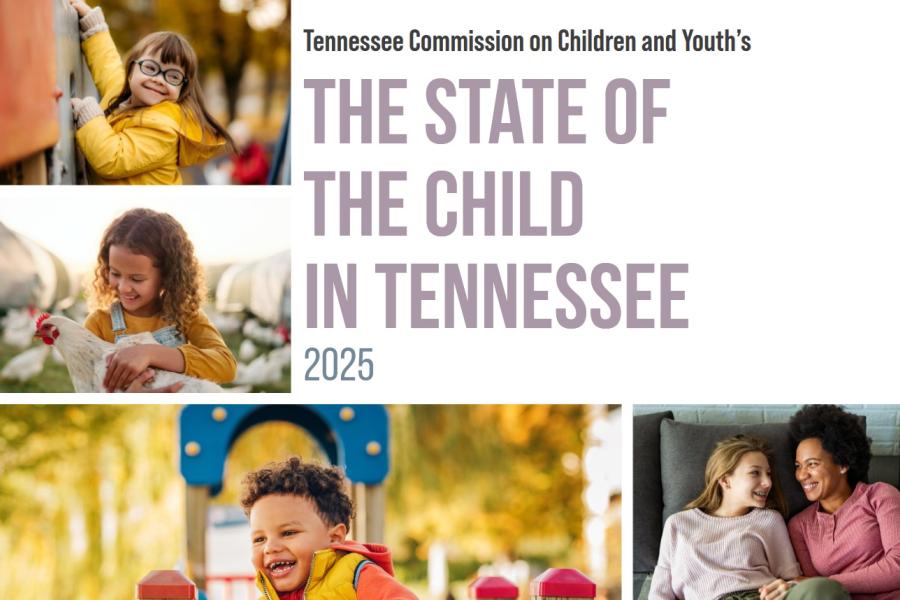
Data from the Tennessee Commission on Children and Youth (TCCY)’s 2025 State of the Child Report tracks year-over-year data regarding child wellbeing, welfare, food insecurity, childcare costs, education, and numerous other factors that can predict outcomes for the state’s youth.
While the state saw a slight decrease in the number of children living in poverty between 2024 and 2023, the state’s rate of 19.1% children living in poverty is still above the national 15.5% and above the 17.6% rate reported in 2022, which was the lowest rate the state saw in a decade.
Research from the study found that supplemental poverty measures, such as tax credits or programs like SNAP, WIC, and TANF, have a significant impact in bringing children and families out of poverty.
Additionally, 22% of Tennessee children live in a household that receives public assistance and 36% live in rental properties. Families who rent and families whose income is less than $20,000 are more likely to be cost-burdened when it comes to housing, with 23% of Tennessee households with children considered “extremely low income.”
Infant based childcare in the state costs $13,926 per year per child, more than in-state tuition for a single year at all of the four-year public universities in Tennessee. An estimated 65% of Tennessee children under the age of six have both parents in the workforce.
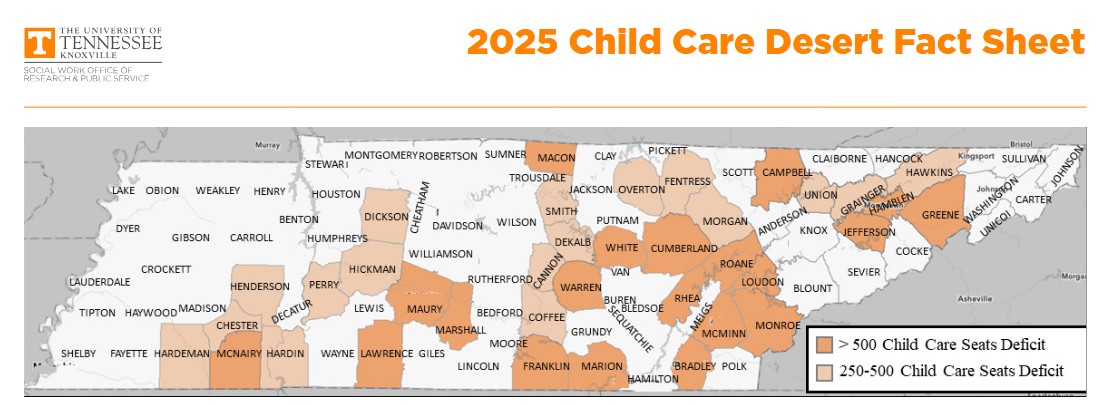
These costs are exacerbated by what is known as “childcare deserts,” a census tract where there are not enough childcare centers or slots in those centers to meet the area’s childcare needs. Rural areas are the most likely to qualify as childcare deserts.
According to the report, there are 3.7 licensed childcare centers per 1,000 children under the age of 12 in the state. The average capacity of a licensed child-care facility in the state is 82 children. East and southern Middle Tennessee have the highest rate of childcare deserts.
Food insecurity has also increased across the state, due to SNAP freezes and the government shutdown in 2025. The report found that all surveyed food banks in the state saw increases in the need for services, particularly among households with children.
The number of live births in the state where the mother and child were on WIC has also been increasing each year since a low of 23,620 in 2021. Last year, WIC was received by 29,243 individuals – a little more than a third of births recorded in the state.