
Cities essential to state, federal celebrations of America's 250th
By KATE COIL
TT&C Assistant Editor
 As countrywide celebrations of America’s founding kick off, municipalities across Tennessee are showcasing how local stories are an important part of national history.
Known as a semiquincentennial, the 250th anniversary of the signing of the Declaration of Independence on July 4 is being honored in various ways across the U.S. through the federal America 250 initiative and on the state level with Tennessee America 250(opens in a new tab) (TN250). TN250 Coordinator Carrie Tipton said that while Tennessee history does stretch back to the American Revolution, the commission decided to focus on Tennessee’s impacts on the larger narrative.
“This is going to be a commemoration of the state’s broader history, especially its contributions to American democracy from ratifying the 19th Amendment to the contributions of different civil rights activists in Tennessee,” Tipton said. “It really is about trying to preserve and interpret local history, and how it shaped American history. Even if you just look at Revolutionary period history, it isn’t just the Eastern part of the state who can engage with that. A lot of Tennessee was settled through land grants to Revolutionary War veterans. Tennessee is a microcosm of how the U.S. expanded.”
Local events and projects will make up the bulk of Tennessee’s celebrations. Tipton said the commission has awarded two rounds of grants and is maintaining a statewide event calendar. There is also a place on the commission website focusing on local landmarks, events, and people who were influential in local, state, and national history.
“The commission is really taking a grassroots approach,” she said. “We are trying to empower communities across the state to enact their own unique visions for their communities. We want to amplify and support what people out there want to organize. If a community is creating an event, we want to know about it. We will add it to our calendar, amplify it on social media, and may even include it in our newsletter. Our Voices and Volunteers section of our website is also taking submissions.”
On the national level, Tipton said communities may also be interested in the America Gives(opens in a new tab) initiative, which aims to make 2026 a record-year for volunteer service.
“It encourages all Americans to find some group in their local area – it can be a chapter of a national organization or a truly local organization – and donate some volunteer hours,” she said. “Municipalities can look at the initiative, and they can start to think about how we can overlay the America Gives initiative with our volunteer needs. It could be a cleanup day for a local park, a downtown beautification project, or tree planting. They can leverage that call to volunteerism at the local level.”
Municipalities will play a valuable role in both localizing the national and state story and instilling civic pride through these events.
“What is going to make this a vibrant celebration is when people look at what is unique about their community,” Tipton said. “Sometimes the things we commemorate are difficult and commemoration can be different than celebration. It can also recognize something more positive, like a local agricultural product.”
COLLIERVILLE
Ashley Carver, tourism director for Collierville, said the town has been planning their celebrations for about a year, getting funding from Shelby County to create a logo for 250th events, and kicking off celebrations on Veteran’s Day with their annual parade.
“The town leadership has been eager to celebrate this milestone,” she said. “We see this as a great opportunity to bring the community together.”
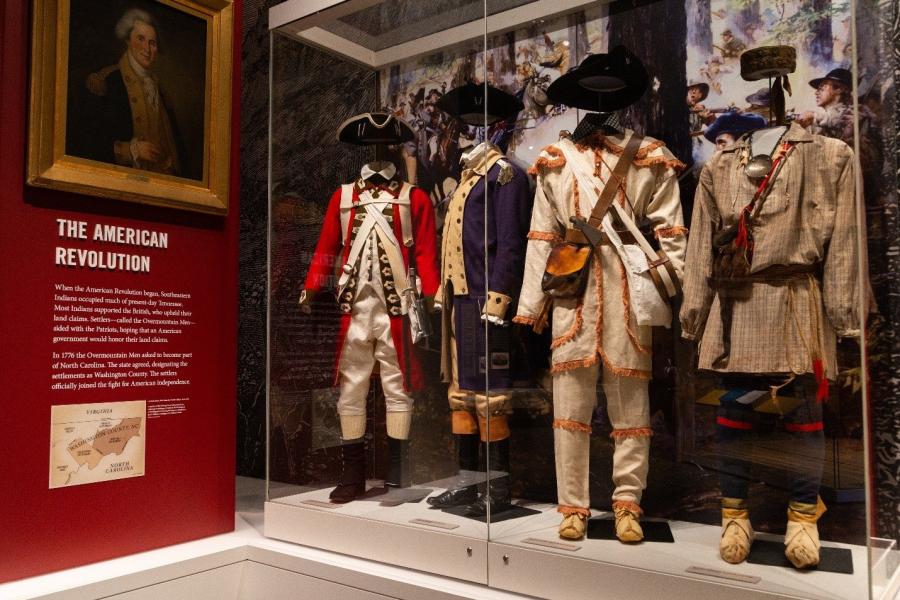
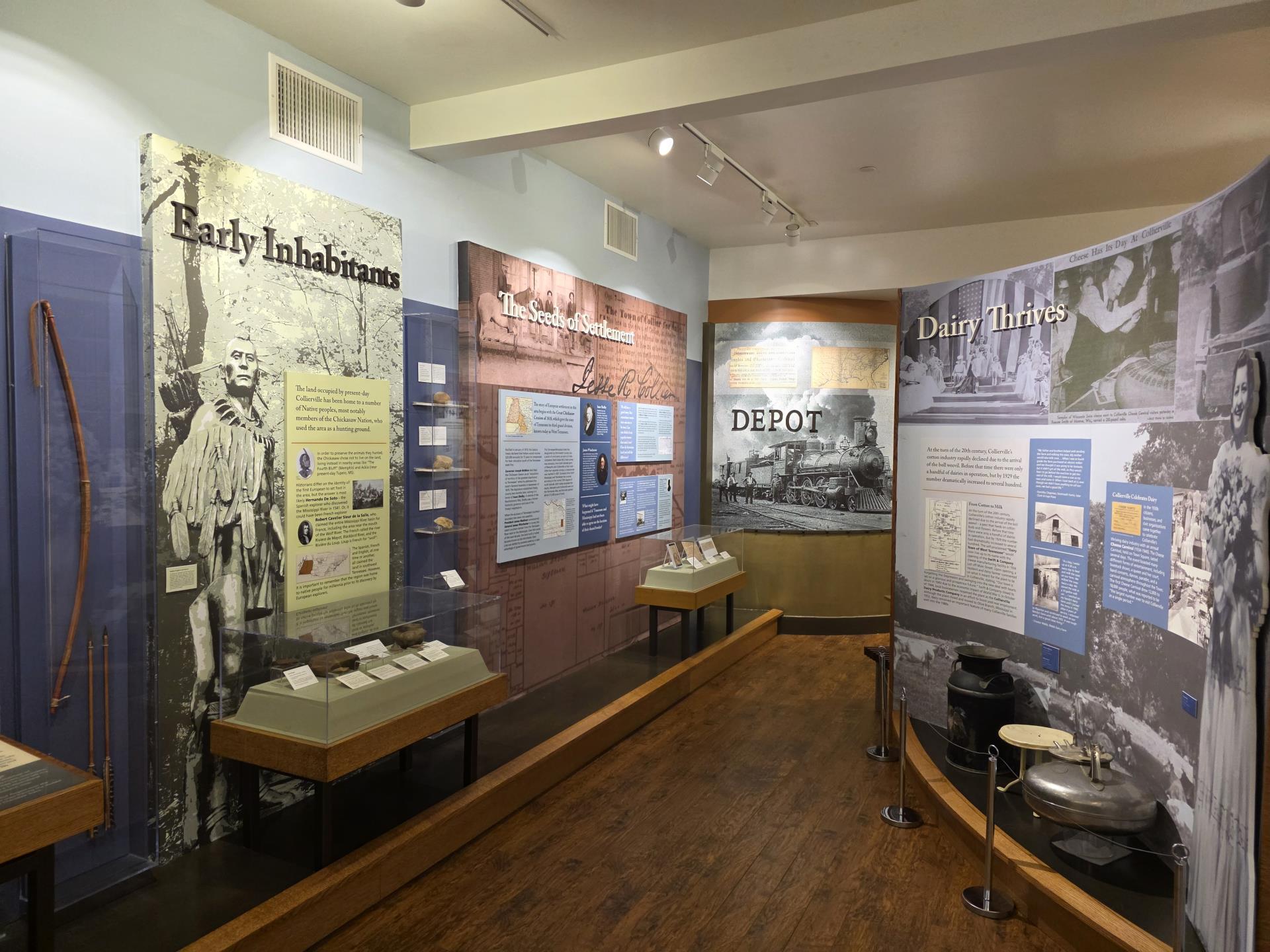
The Morton Museum, Collierville's local history museum located off its downtown square, is also highlighting the town’s history this year with particular emphasis on how Collierville celebrated the nation’s bicentennial in 1976. The town was officially chartered in 1870, but its history goes back to 1836. Despite not having Revolutionary War connections, Carver said it is just as important for towns like Collierville to reflect on their place in the national story during this time.
“Collierville’s story is the American story,” Carver said. “We are a community full of diversity that comes together through shared values. When you look throughout our history, you see those challenging times in America. You see how the boll weevil coming through caused farmers to diversify, the rise of the dairy industry in the area, as well as how we navigated the Great Depression. You can tell the story of industrialization through civil rights at a local level. Local history makes things so personal and relatable.”
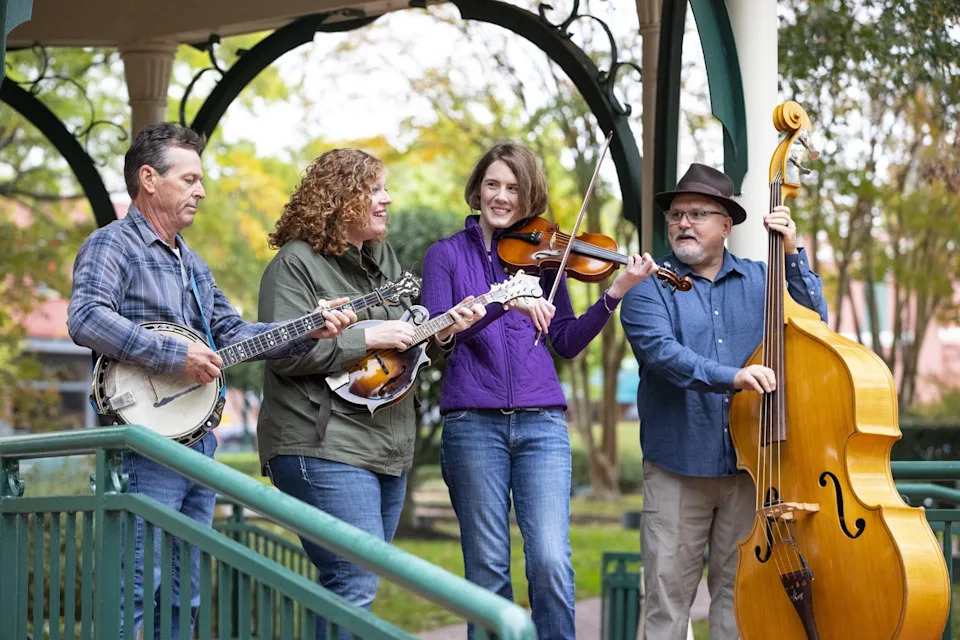
For their TN250 grant project, the town is combining a local music tradition with 250 years of American music titled “Sounds Like Collierville: 250 Years Through Song.”
“This project connects Collierville's stories and traditions to that broader American story by bringing people together through music,” she said. “For the past 30 years, bluegrass musicians have come from across the region and gather Friday nights from April to October in informal bluegrass jams. To highlight a beloved tradition that is authentic to Collierville, we decided to make a three-day bluegrass festival. You can explore history through fiddle tunes from the 1760s. There are a lot of songs we hope to feature from different milestones and moments in American history as part of this acoustic bluegrass music.”
The hope is to combine old and new in a way that will bring multiple generations of residents together.
“Music has such a unifying quality about it,” she said. “It allows us to talk about the bluegrass traditions, and how our square has been witness to that for more than 150 years. Whether you’re a sixth generation Colliervillian and just moved six months ago, I think this is a great time to expose our residents to all that history and bring them together.”
GOODLETTSVILLE
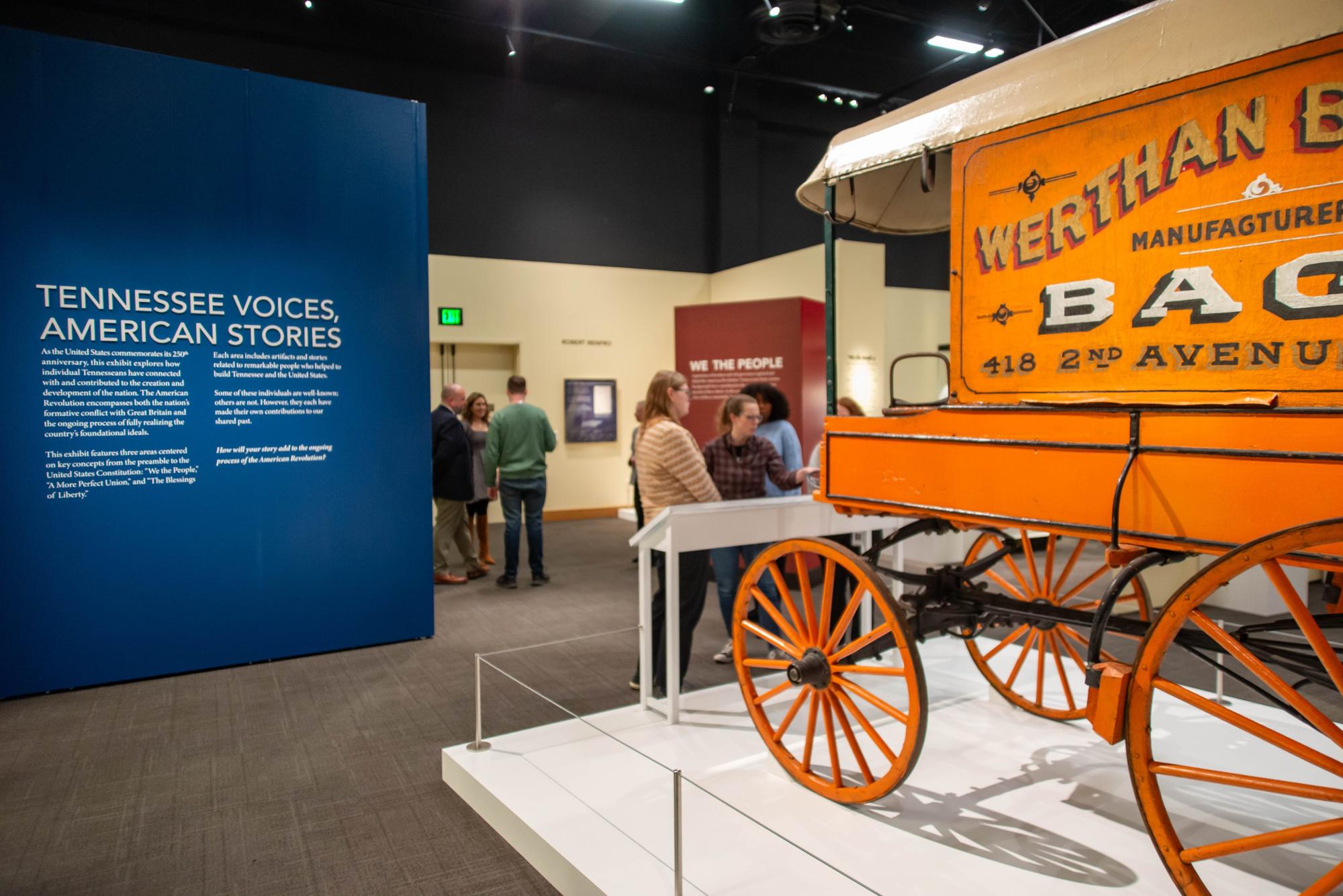
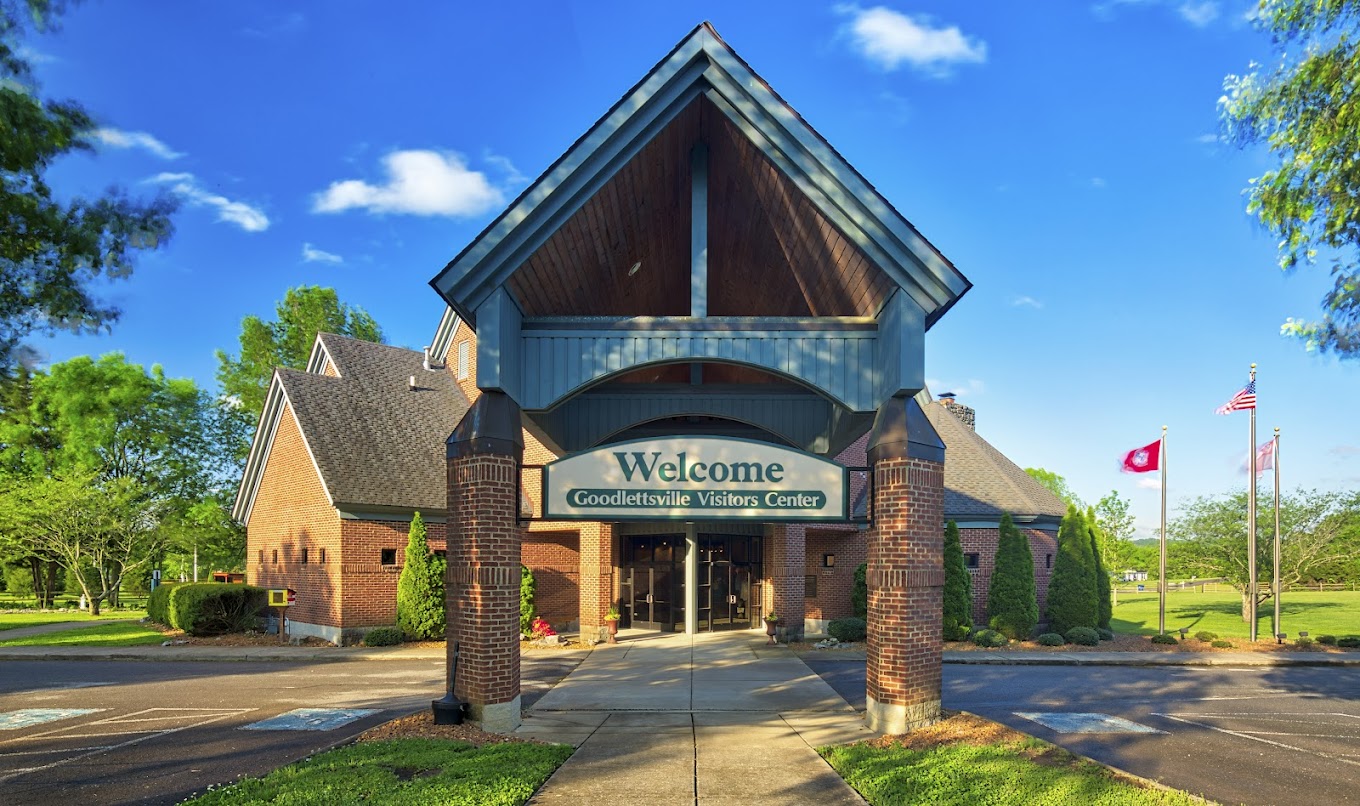
Kimberly Lynn, director of tourism for the city of Goodlettsville, said TN250 grant funds are being used to develop “Goodlettsville: A Small Town View,” which tells the area’s history. The long-standing exhibit will have museum display cases and an interactive monitor at the city’s Visitor Center.
This display will allow visitors and residents to see some more delicate historical artifacts, like newspaper clippings, military service records, wills, and land grants as well as watch living-history interpreters and community members dive deeper into local stories.
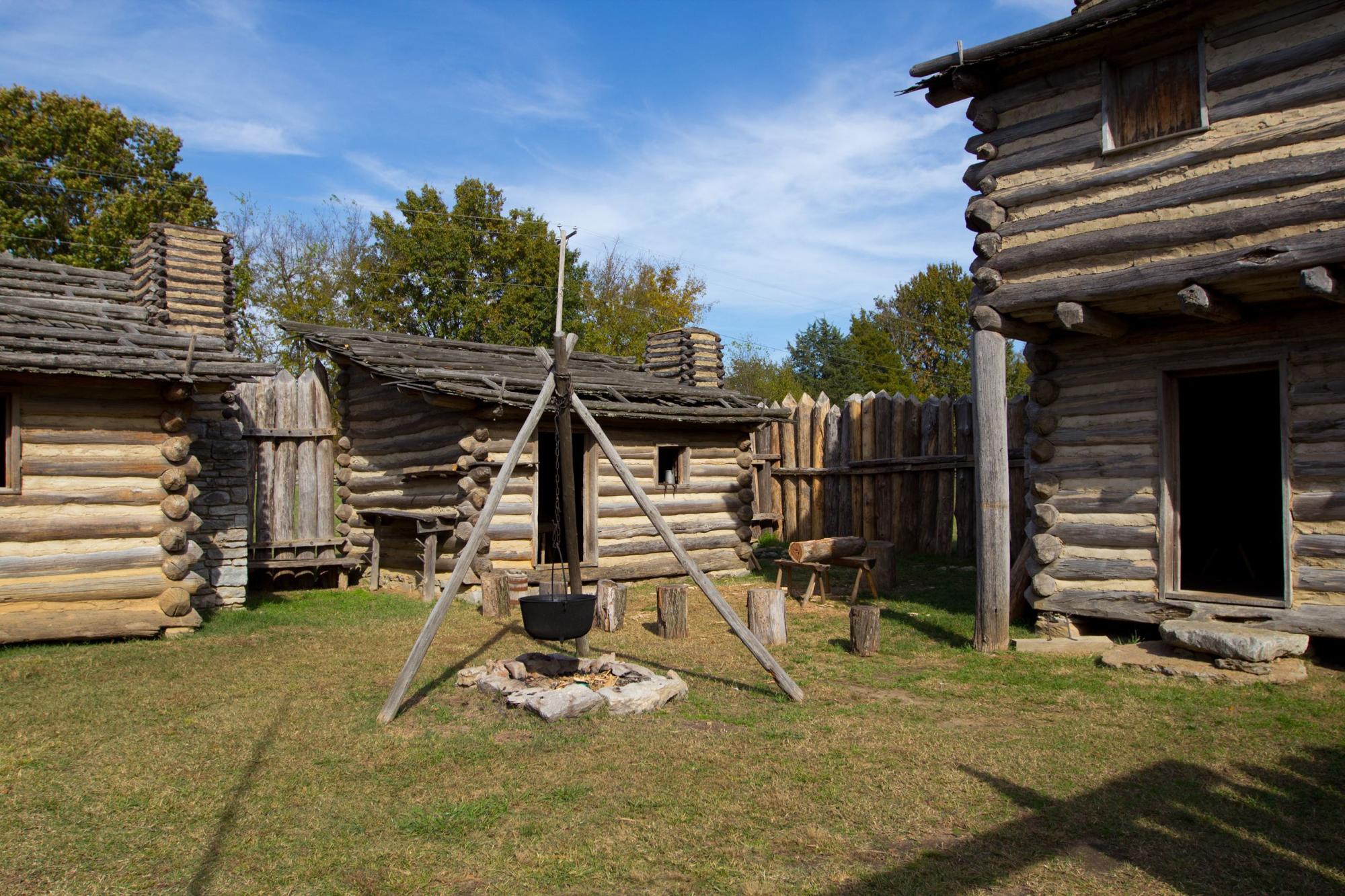
When finished with the exhibit, visitors can then walk out behind the center to the city’s Moss-Wright Park where two major historical sites are commemorated. While incorporated in 1958, Goodlettsville’s history of settlement stretches back to the 1700s, beginning with the arrival of Kasper Mansker, one of the long hunters who explored much of Middle Tennessee. Mansker returned to the area to establish the fortified Mansker’s Station along Avery’s Trace in 1779, which has been recreated. In 1787, Captain William Bowen also established his family home in the city, which now stands at the park as well.
“These historic sites give us a wonderful glimpse into the beginnings of Goodlettsville,” Lynn said. “The Tennessee 250 grant provides the City of Goodlettsville with the opportunity to showcase how Goodlettsville began and developed into the flourishing city that it is today. Mansker’s Station and the Bowen House remain vital parts of our story.”
One of the goals of the projects is to educate modern-day Goodlettsville residents about residents who came before them.
“This project is fundamentally about Goodlettsville’s community,” she said. “This city developed because citizens from Virginia, Pennsylvania, and North Carolina moved their families to this newly discovered area. These settlers communed with one another, they shared meals, they traded goods, they formed government, they built homes, planted gardens, and laid roads. Goodlettsville became a small manufacturing town that pioneered wool and lamb sales nationally. This museum exhibit serves the current community by linking them to a long heritage of families who worked and served alongside each other.”
Lynn said the hope is the exhibits will help tell American and Tennessee history through the unique lens of the city of Goodlettsville as well as build community connection between residents and their heritage.
"America is full of historic sites and landmarks that are spread across small towns and big cities,” Lynn said. “Those sites and landmarks each tell unique parts of the story of American independence. Individual families are trying to make this new nation their home. Cities like Goodlettsville remind us of the human element in history. This exhibit highlights the individual and communal efforts to build houses, start businesses, and form governments in modern day Tennessee.”
JONESBOROUGH
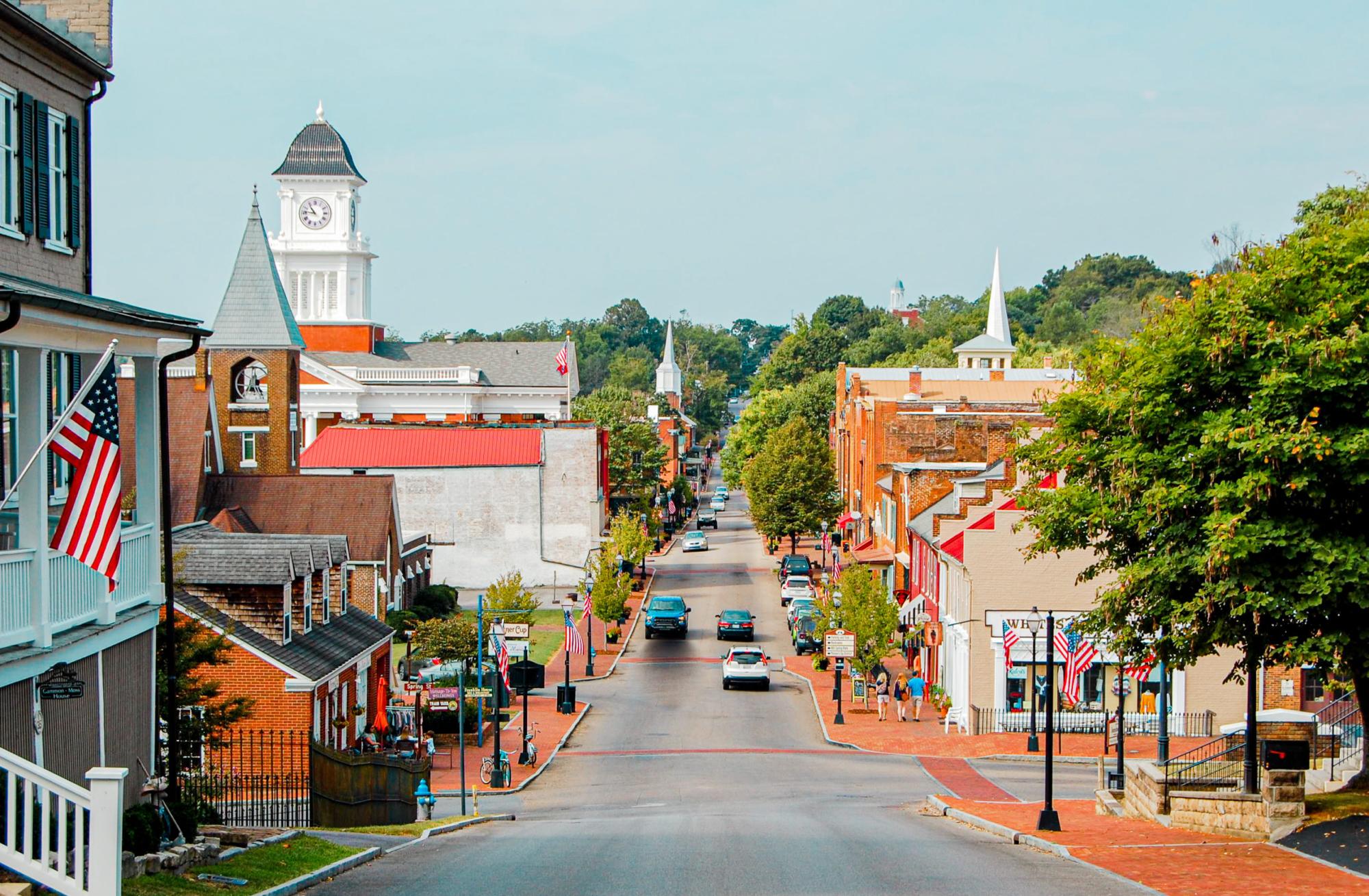
Known as Tennessee’s oldest town, Jonesborough was officially founded in 1779 – 17 years before Tennessee became a state. In 1784, Jonesborough became the seat of the State of Franklin, an attempted succession from North Carolina that is considered a precursor to Tennessee.
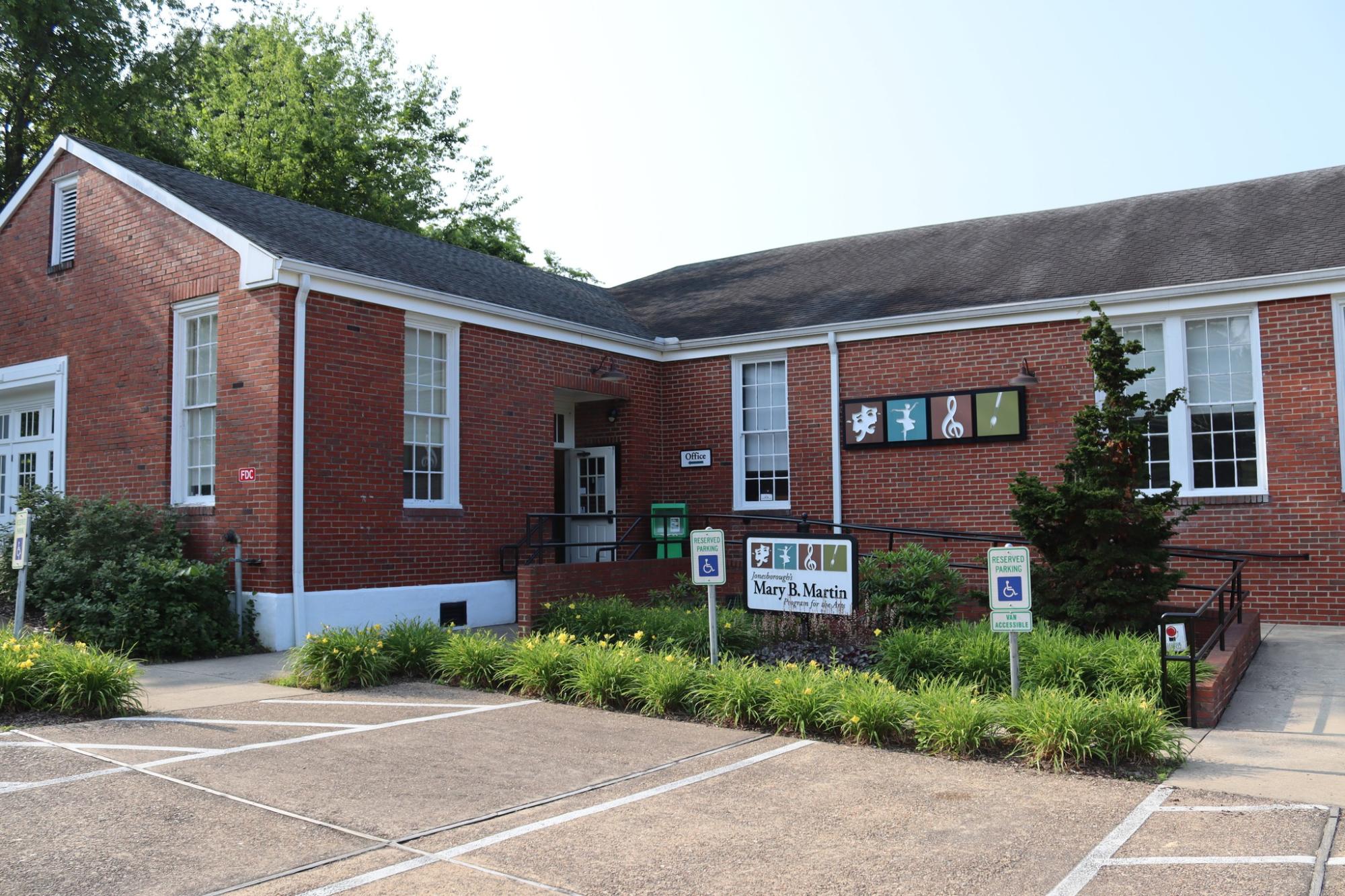
Anne Mason, program manager for Jonesborough’s McKinney Center, said the town is bringing together history and storytelling traditions for a play
“It’s interesting how the major events like the Revolutionary War, Civil War, Civil Rights movement, and the Folk and Storytelling movement all played through Jonesborough,” Mason said. “There is a reflection of that great national history in Jonesborough, and we wanted to show it all off. The McKinney Center – through the Story Town Program – has been doing community plays for more than 10 years now. This initiative has collected oral histories from the area and put them together in plays and other programs. We wanted to take the stories of the past and the present and look toward the future.”
The play will feature figures integral to local history including John Sevier, David Deadrick, and Julia Bullard Nelson. The play will run in February and March in Jonesborough and will feature citizens in various roles. The play offers a chance to involve residents and educate residents and visitors about the town’s history.
“We want to connect people to their history, the area around them, and the ideas America represents and how those have played out over time,” Mason said. “A lot of people who live in the area don’t know that history, because we have a lot of people who have recently moved to the area. This is a great way to get them involved. History is so much more than names and dates. It’s the story of people who have faced challenges and tough decisions. When you can connect to the past on an emotional level, it doesn’t make it seem so foreign.”
The city is also hosting its Jonesborough Days celebration around the Fourth of July and special events at the Jackson Theatre. Mason said she hopes these events will help instill a sense of community.
“I hope we take lessons from the past into the future and continue to build on this great American experiment, as the forefathers called it,” Mason said. “The future of the country is ours, so where do we want to take it?”