

Cookeville receives Municipal League award for Excellence in Fire Services
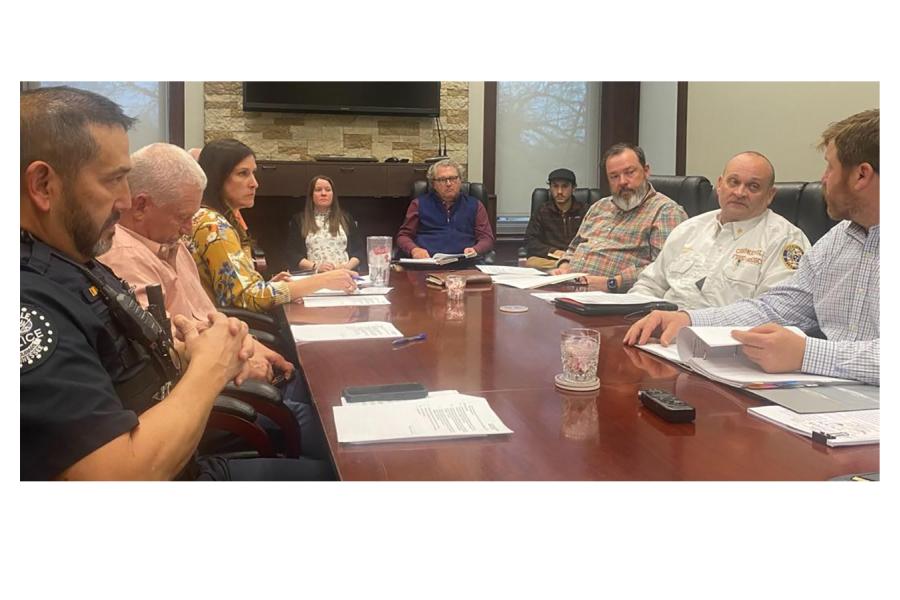
Through partnership with other first responders and local health care providers and advocacy groups, the Cookeville Fire Department has implemented a program aimed at ensuring residents suffering mental health crises receive the services they need.
In recognition of the Cookeville Fire Department’s Cookeville Community Response (CCR) program, the Tennessee Municipal League (TML) is pleased to honor the city for Excellence in Fire Service.

Too often, emergency calls involving individuals suffering from mental health issues end with the individual either in jail or an emergency room, rather than receiving the services and support they need. Partnering with the Cookeville Police Department, city of Cookeville, NAMI Tennessee, and Volunteer Behavioral Health Services, the Cookeville Fire Department is part of an innovative co-responder initiative designed to address mental health and substance-related calls for service.
The CCR program pairs a licensed mental health clinician with a fire department-based EMT to respond to non-violent behavioral health incidents, providing a specialized and compassionate alternative to traditional emergency responses. The fire department-based model is the first of its kind in the region, with an approach that is uncommon even among larger municipalities.
By incorporating Crisis Intervention Team (CIT) training and maintaining in-house CIT instructors, Cookeville has expanded behavioral health response capabilities across all emergency personnel—not just CCR teams. This model increases local government efficiency by ensuring the right resources are dispatched to incidents. The coordinated, dispatch-driven triage model ensures non-violent behavioral health incidents are diverted from the traditional EMS and police response, reducing duplication of services.
The on-scene access to a trained mental health professional provides individuals with assessment, de-escalation, stabilization, and direct connection to community resources such as treatment programs, housing assistance, and other services. The strong emphasis on follow-up care also ensures continuity of support.
In addition to freeing law enforcement from time-intensive behavioral calls, the program has reduced jail admissions and incarceration costs, decreased EMS transports, lessened repeat emergency calls, and improved response availability. The program breaks the cycle of repeated emergency system utilization, particularly for individuals with complex challenges, while providing a humane, specialized, and compassionate approach focused on outcomes to benefit individuals and the community.