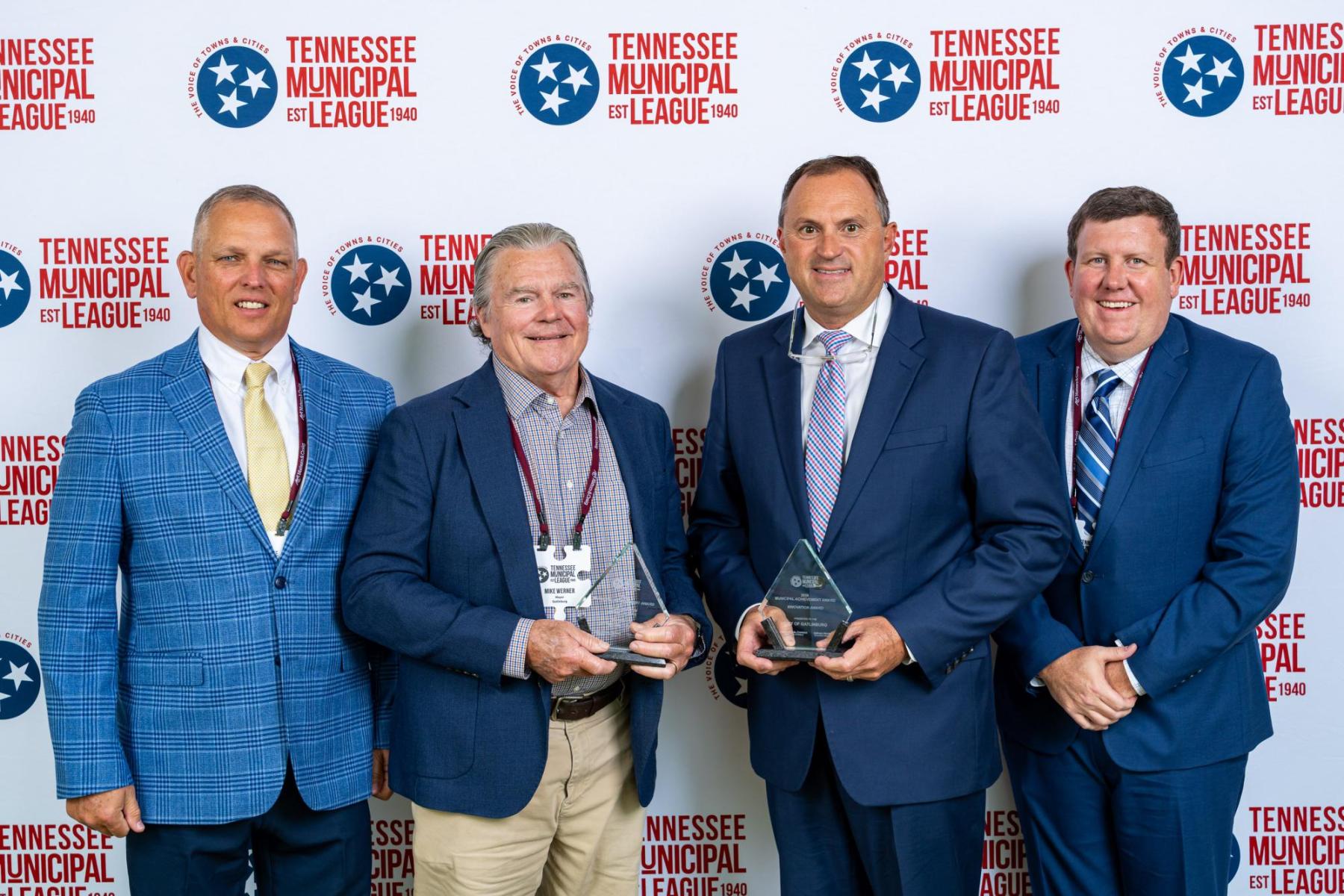

Gatlinburg receives Municipal League award for Excellence in Public Works
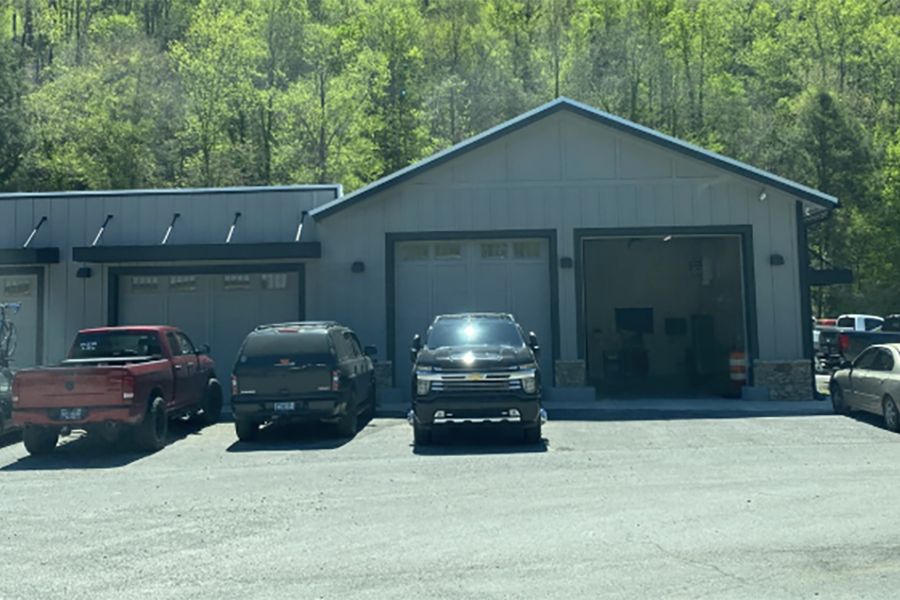
From paving streets and clearing debris to maintaining a fleet of vehicles — including the city’s iconic trolleys — the new Gatlinburg Public Works Complex brings together the departments that keep one of Tennessee’s premier destinations running seamlessly.

In recognition of its investment in vital public works and its commitment to strengthen operational excellence, disaster recovery, and community revitalization, the Tennessee Municipal League (TML) is proud to honor Gatlinburg for Excellence in Public Works.
Like many buildings throughout the city, Gatlinburg’s Street Department facility was damaged during the devastating 2016 wildfires. As part of the strategy for recovery from the disaster, the city began to acquire surrounding properties that were also damaged.
With the land secured, planning began on a $15.6 million cohesive public works complex to bring the Utilities Maintenance, Building Maintenance, and Street Departments, customer service center, and trolley fleet together in one place. The location also houses millions of lights used each year for the city’s Winterfest, an indoor wash facility for city vehicles, and storage options for various department needs.
As a result of this centralization, efficiency has increased in all departments with communication, coordination, and response times improving. Staff can now collaborate, share resources, streamline workflows, and ensure efforts are not duplicated.

A former bank building on the site was renovated to provide residents with a convenient, accessible destination for bill payments and other financial transactions, featuring a drive-thru window and after-hours drop box. This has reduced congestion at other city offices and improved customer experience. The fleet shelter and vehicle wash enhance the longevity of city equipment and have reduced maintenance needs. The modern infrastructure of the new campus has also cut operational costs of maintaining other aging buildings while the purpose-built infrastructure reduces the need for future capital expenditures.
The complex has become a symbol of post-wildfire revitalization and land stewardship. From a practical standpoint, it was designed to centralize critical public works functions and resources that can be called upon during future disasters. And through strategic acquisitions, the city turned an area left blighted by disaster into an aesthetically pleasing, well-maintained property in a key location. The project has turned adversity into opportunity by investing in infrastructure that supports residents and tourists, enhancing visual and service quality, and providing convenient, citizen-focused services in an accessible area.