

Charge into Fire Safety: Safe Charging Is a Superpower
By STEVE CROSS
MTAS Technical Consulting Program Manager
We live in a world filled with rechargeable devices. Our phones, tablets, laptops, power tools, toys, e-bikes, scooters, and many other everyday products depend on batteries to keep us connected and moving. Lithium-ion batteries have made these devices smaller, lighter, and more powerful. They have also created a fire safety concern that we cannot ignore.
The National Fire Protection Association’s (NFPA) 2026 Fire Prevention Week theme, “Charge into Fire Safety™: Safe Charging Is a Superpower,” reminds us that some simple decisions can make a big difference in preventing battery-related fires. Fire Prevention Week was observed October 4–10, 2026.
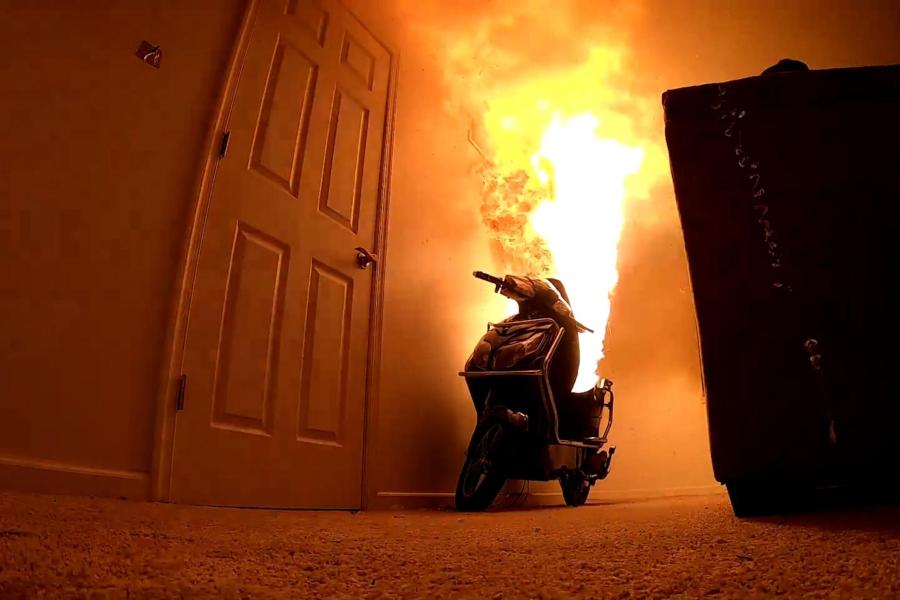
Lithium-ion batteries are generally safe when they are properly manufactured, used, and charged. However, batteries can become dangerous when they are damaged, defective, improperly charged, or exposed to excessive heat. When a battery goes into what is known as thermal runaway, it can release a large amount of energy very quickly. This can result in intense heat, fire, and dangerous gases.
We can start with the charger. Use the charger that came with the device whenever possible or use a replacement charger approved by the manufacturer. Do not use damaged charging cords or chargers that are not designed for your device. Saving a few dollars on an unapproved charger is not worth putting your home, business, or family at risk.
Pay attention to where you charge your devices. A charging device should be placed on a hard, flat surface where heat can escape. Charging a phone, laptop, or other device on a bed, couch, or pillow can trap heat around the battery. Keep charging devices away from curtains, blankets, furniture, and other combustible materials. Most importantly, never charge a device where it could block an exit.
Know the warning signs. A battery or device that becomes unusually hot, swells, leaks, gives off an unusual odor, makes popping or hissing sounds, or begins smoking may be experiencing a serious problem. Do not ignore these warning signs. Stop using the device and follow the manufacturer’s instructions for safely handling and disposing of the battery. Damaged lithium-ion batteries should never simply be placed in the household trash.
We also need to pay special attention to larger battery-powered devices such as e-bikes and scooters. These devices contain larger batteries and can release significant amounts of energy when something goes wrong. Charge them according to the manufacturer’s instructions and, when possible, keep them in a location that does not put an exit or escape route at risk.
As firefighters, we know that prevention is always better than response. A fire that never starts is the best fire we will ever fight.
Fire Prevention Week gives all of us an opportunity to look around our homes, workplaces, schools, and communities and ask a simple question: Are we charging our devices safely? When at home, office, classroom, dormitory, hotel, etc., always have an escape plan that does not include an elevator should there be a fire or other emergency. Know two ways out of every room.
Use the right charger. Charge on a hard surface. Keep charging areas clear. Watch for warning signs. Most importantly, never ignore a battery that does not look or act as expected. Access many more safety tips at Fire Prevention Week 2026 | Sparky School House
Safe charging really can be a superpower. And like most fire prevention, it starts with making a few smart choices before there is a problem.
If you have questions or comments, please contact Steve at steven.cross@tennessee.edu.