

Campbell discusses life, leadership lessons that inspired show Ted Lasso

By KATE COIL
Assistant TT&C Editor
Before the hit TV show Ted Lasso captured hearts and Emmy awards, Coach Donnie Campbell inspired students and athletes to better their performances by bettering themselves.

Campbell, a high school math teacher and basketball coach from Kansas, rose to prominence when actor and comedian Jason Sudeikis referenced his high school coach as one of the inspirations behind his character of Ted Lasso, the namesake for the Apple TV+ show that debuted in August of 2020.
“As we were watching the show, my wife pointed up to the screen and said ‘Yeah, Donnie, that’s you,’” Campbell said. “Well, I didn’t see it. But I did see many of the lessons I taught Jason and his teammates 30 years earlier being applied in the show. It’s incredibly surreal and humbling to know you made such an impact on someone’s life.”
Following a coaching career spanning many decades, Campbell now takes his lessons on leadership and teamwork across the country. He provided the keynote speech at the Tennessee Municipal League’s 85th Annual Conference in Chattanooga.
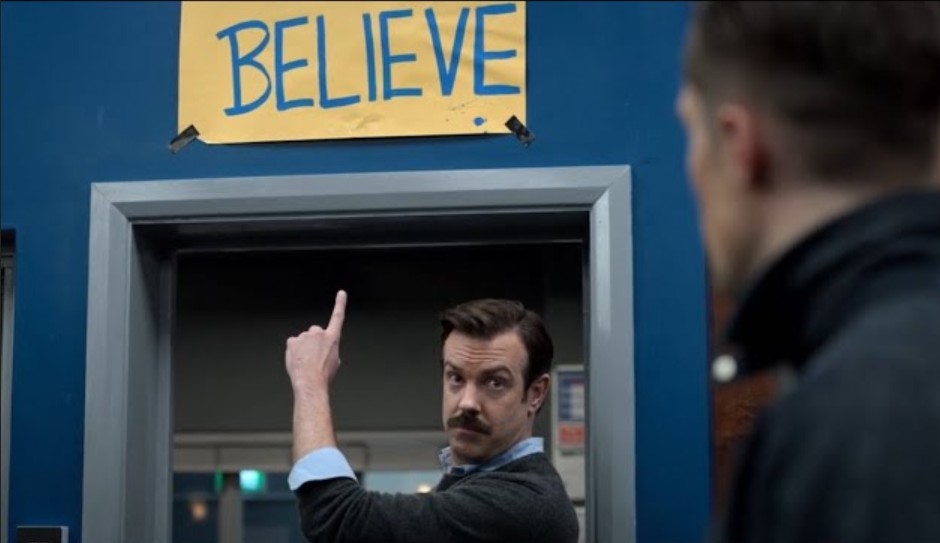
BELIEVE
Like the character Ted Lasso, Campbell said the best leaders use the power of kindness and belief, speaking greatness into their teams to bring out the best.
“A coach is so much more than a strategist, so much more than a motivator, and so much more than a teacher,” he said. “When I started out as a coach, I didn’t know that. I was focused on one thing and one thing only, and that was winning.”
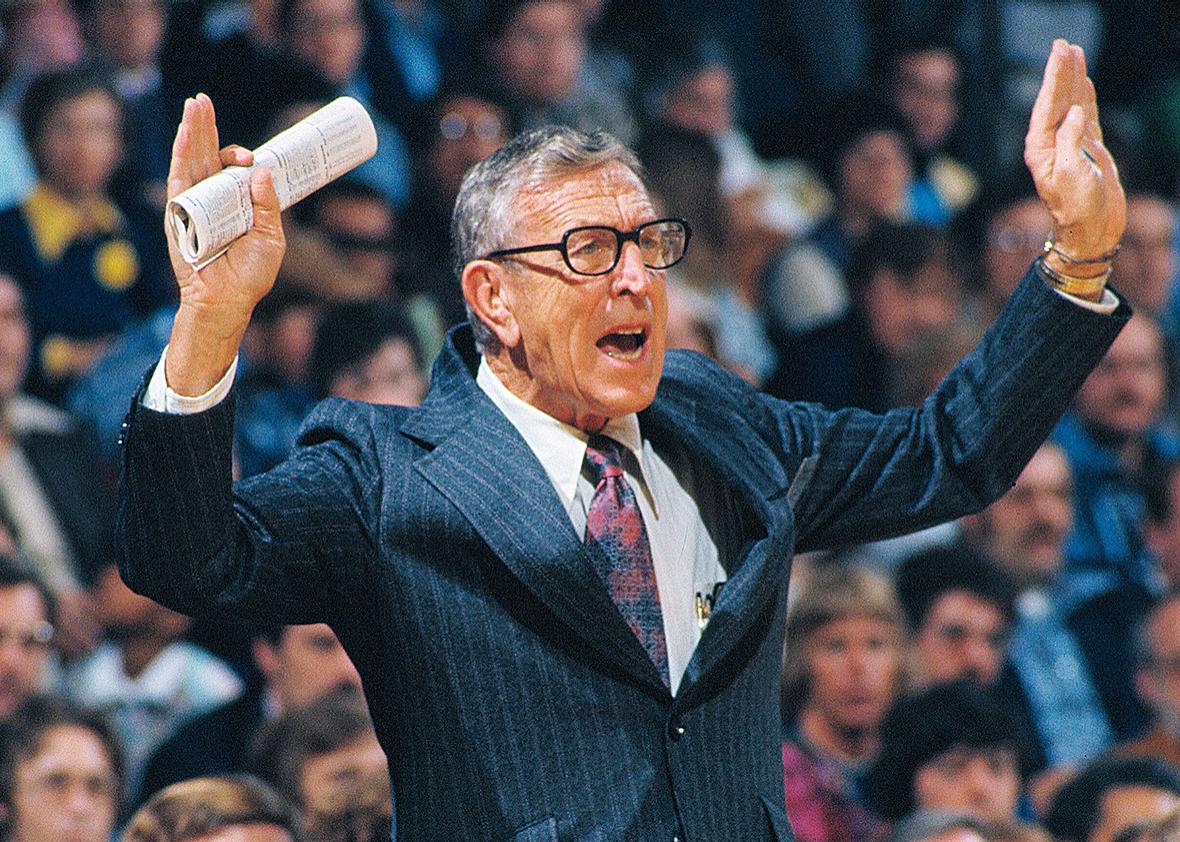
To achieve those wins, Campbell said he worked his teams long and hard in practice. After a season of this coaching style, he said he led the team to a 3-18 record. Trying to figure out what had gone wrong, Campbell said he stumbled across a quote by legendary UCLA head football coach John Wooden.
“Wooden defined success as peace of mind, which is a direct result of self-satisfaction in knowing you made the effort to become the best of which you are capable,” Campbell said. “Success was not about winning; success was about developing my players to be the best person each one of them could be. I realized that when you create better people, you create winning teams.”
Through that culture change, Campbell said the team went on to win the state championship in four years.
“You can develop your team to be really talented or really skilled in what you need, but that doesn’t mean they’re going to work together. It doesn’t mean they’re going to play together. You’ll get lucky sometimes and you’ll win, but if you want to sustain success, you have to focus on developing your people to be the best version of themselves, how to be a leader, how to take responsibility for their actions, and how to want to be a part of something bigger than themselves. It’s not about the X’s and O’s, it’s about the Johnnys and Joes.”
Campbell said planning begins with practice and he often held disadvantage drills during practice to encourage players to both communicate and plan for what to do when things weren’t going their way.
“Adversity is the greatest teacher,” he said. “We tried to make our practices harder than a game. I wanted them to be mentally challenged. I wanted to create an environment where they had communicate. If you are having trust issues with your team, I guarantee it’s a lack of communication on your part. Miscommunication creates distrust. The team that doesn’t communicate is scared and selfish.”
CREATING CULTURE
To make a culture change, Campbell said leaders need to focus on what he calls MVP: mission, values, and planning. Ultimately, Campbell said the mission is to create better people who become better in their individual roles and thus improve the team as a whole.
“We always tell our players that how you treat people who can do nothing for you shows your real character,” he said. “You cannot believe – all of you with the positions you are in – the impact that you make every day from just being kind and respectful. As a leader, setting the right example makes all the difference. My players never particularly liked me, but they respected me. In your positions, you are going to make some hard decisions. You have to be able to look at yourself in the mirror and say you made the right decision. Some of those decisions you will make, people won’t like them.”
Campbell said values became important to him in his own playing career when he watched an opposing team’s coach intimidate officials.
“On the ride home on the bus, I looked at my coach and said, ‘That wasn’t right tonight; that wasn’t fair,”’ Campbell said. “He said to me, ‘You know Donnie, if I have to act like a horse’s behind to win a game, it’s time for me to retire.’ Our coach had standards and values about how you treat people. He treated everyone with kindness and respect. If you want people to be kind, you better set the bar. If you want people to be treated with respect, you better be respectful.”
Campbell said values are non-negotiable and some of the most important values are trust, accountability, commitment, and character. He cited trust as the foundation of relationships that cannot exist without honesty as well as the importance of people who are committed to the team first and embrace their role.
According to Campbell, the best teams are made up of people who both hold themselves and each other accountable. By having team members who believe in themselves, want to get better, and focus on being the best they can be, Campbell said you create a team focused on achieving the best.
TAKING RESPONSIBILITY
Over the course of his career, Campbell said he has seen how one player can bring down an entire team. He said having team members who can deal with mistakes and failure is just as important as having ones who can win.
“Bottom line is, you have to have people you can lose with,” he said. “You’re going to have a lot more losses than wins. You better have the right people on your boat. You can pick captains, but you can’t pick leaders. Doers make mistakes. You recognize the mistake, you admit the mistake, you learn from it, and you forget. You be a goldfish and move on. Be where your feet are.”

As a coach, Campbell said he often had to make hard choices, including cutting a player from a team who was skilled at basketball but had a personality that put him into conflict with fellow players, coaches, and teachers.
“When you are a leader, you have to make tough decisions,” he said. “Sometimes, they’re gut-wrenching decisions like this one. I can still remember him taking off his practice gear, throwing it, and cussing at me. Two days later, his dad calls and wants to meet with me. Before we sit down and start talking, he said ‘I want to thank you for holding my son accountable.’ The decisions we make every day have to be what’s best for the team.”
Campbell recalled another player who was good at shooting but not at guarding. After warning the player if he didn’t improve his defense he might be cut, Campbell said the player went on to improve his body and his game, and later earned a college scholarship.
"You can either pout, moan, sulk, and blame everybody or take the bull by the horns, take the challenge and get better,” he said. “I’ve always told my players I can fix your mistakes, but I can’t fix your excuses. You need to think about if there is someone on your team who is a diamond in the rough, who needs a little bit of help. Everybody deserves a second chance. You also have to listen to your team members, because when you do it empowers them.”
After his team lost a championship game, Campbell remembered feeling very discouraged walking into his classroom the next Monday. He was surprised when the principal came to the class and talked to the students about how lucky the school was to have Campbell on staff. Campbell said that uplift from a leader was what he needed in that moment.
“You are all in leadership positions,” he said. “Isn’t it great to be positive and speak greatness into people when things are going well? But what about when things aren’t going well? Are you that leader when things aren’t going well who makes every one of their team members know you believe in them?”
Ultimately, Campbell said a leader cares just as much about how a team member performs today as setting them up for success in the future.
“What’s important to me is how these kids end up 5, 10, and 15 years from now,” he said. “The best teams work hard and work hard together with no one caring who gets the credit. It all starts when you create good people. You don’t have to win a championship to be a champion. It’s about who you are.”