
Municipal leaders gather for TML Legislative Conference in Nashville
By KATE COIL
TT&C Assistant Editor
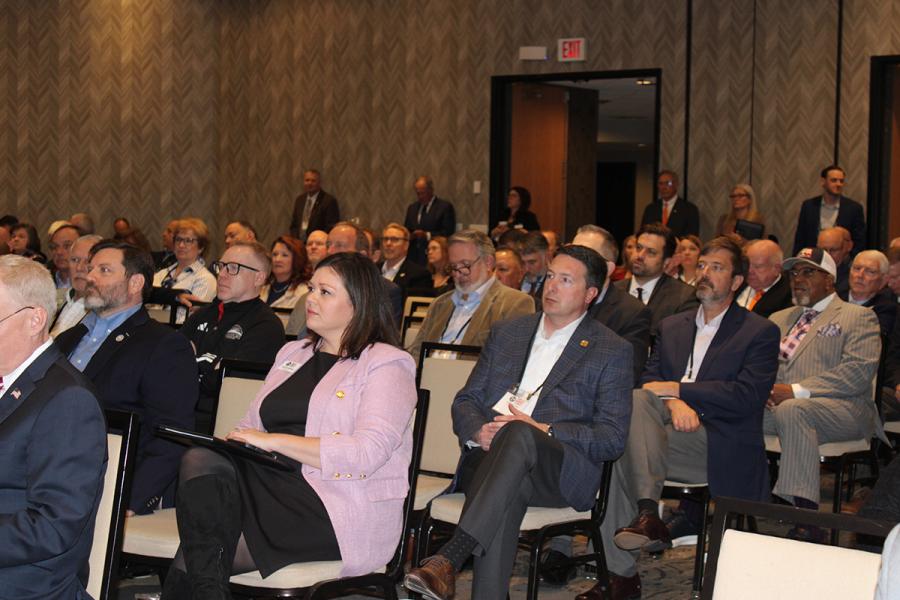
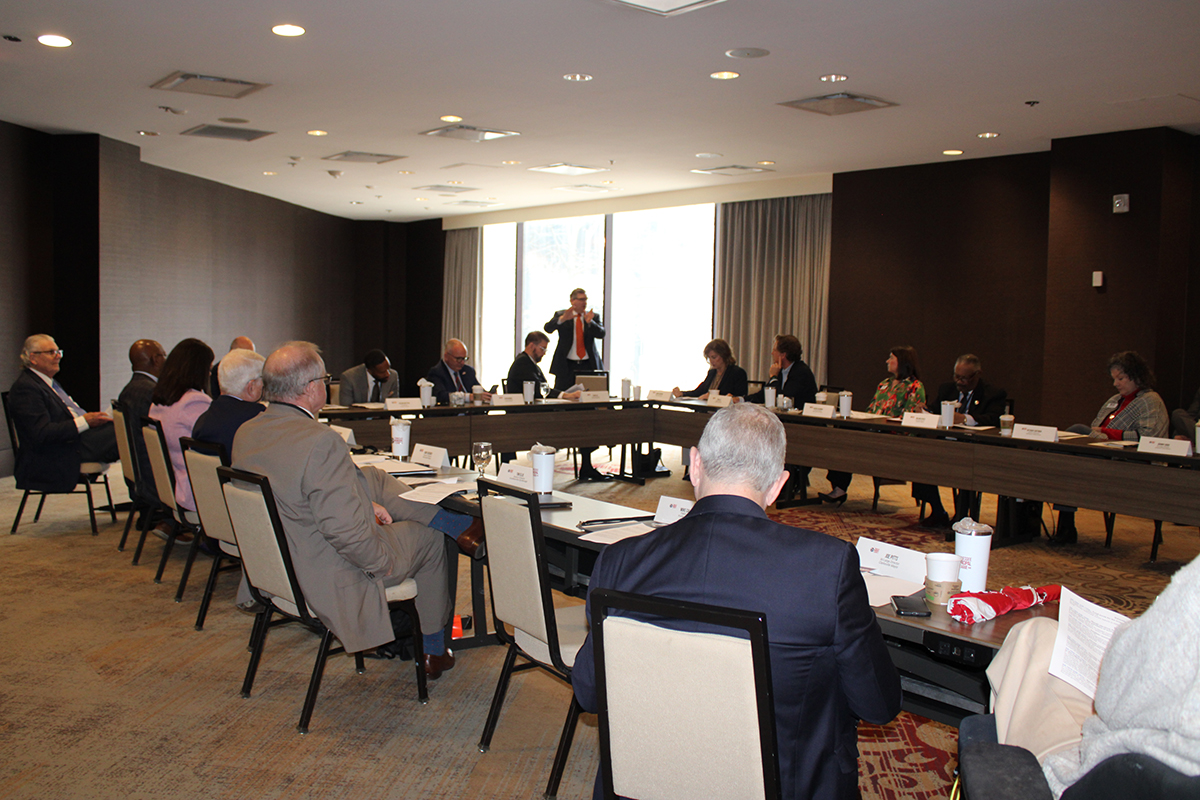
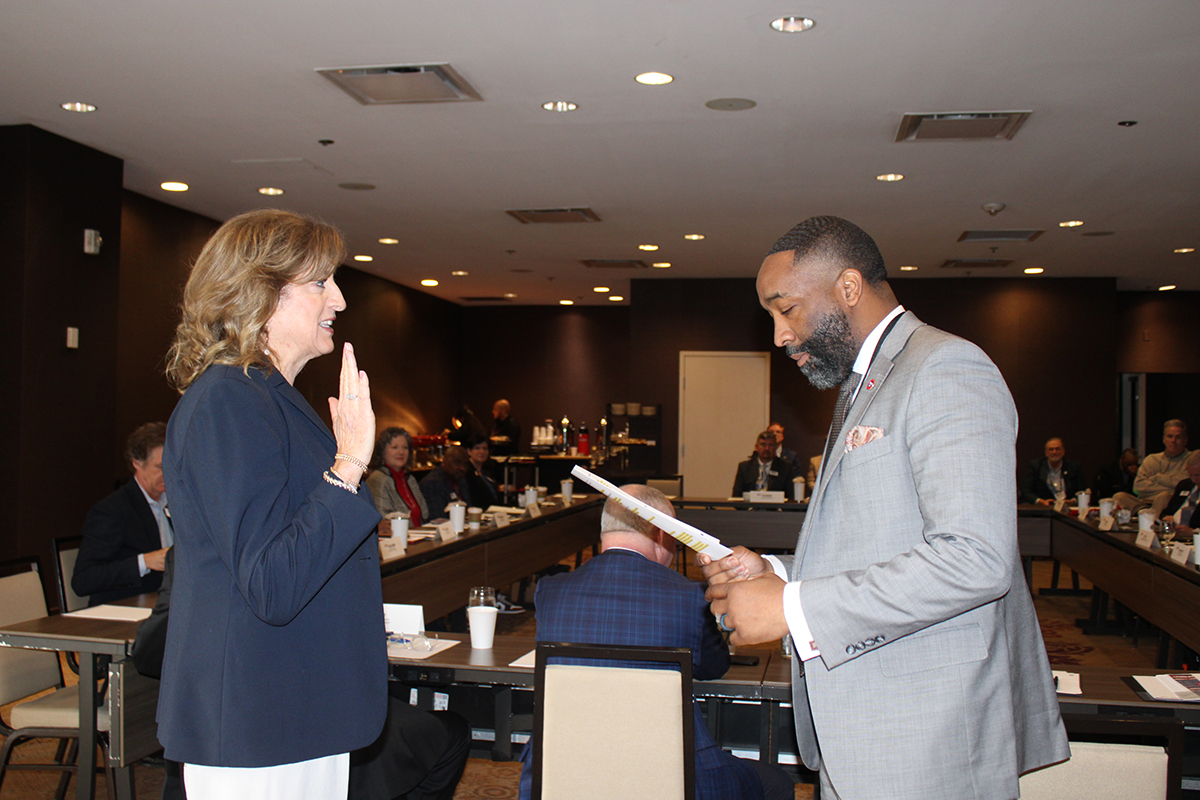
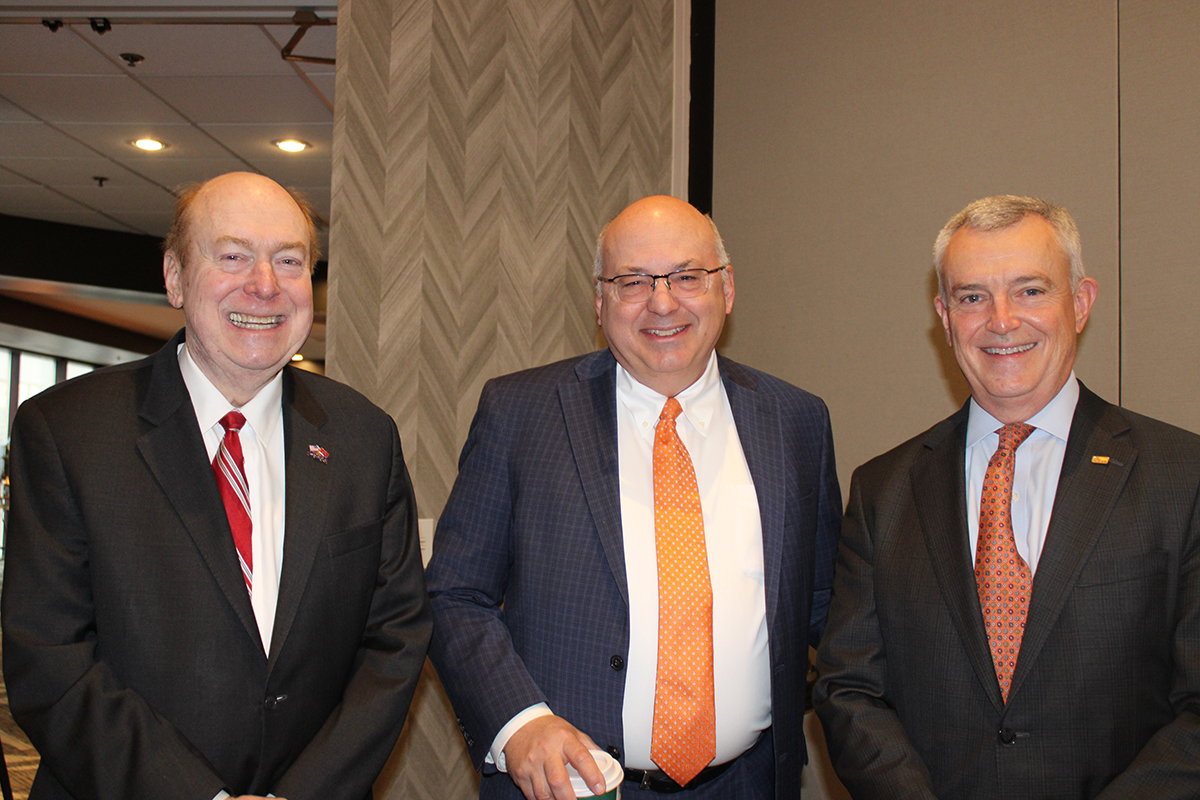
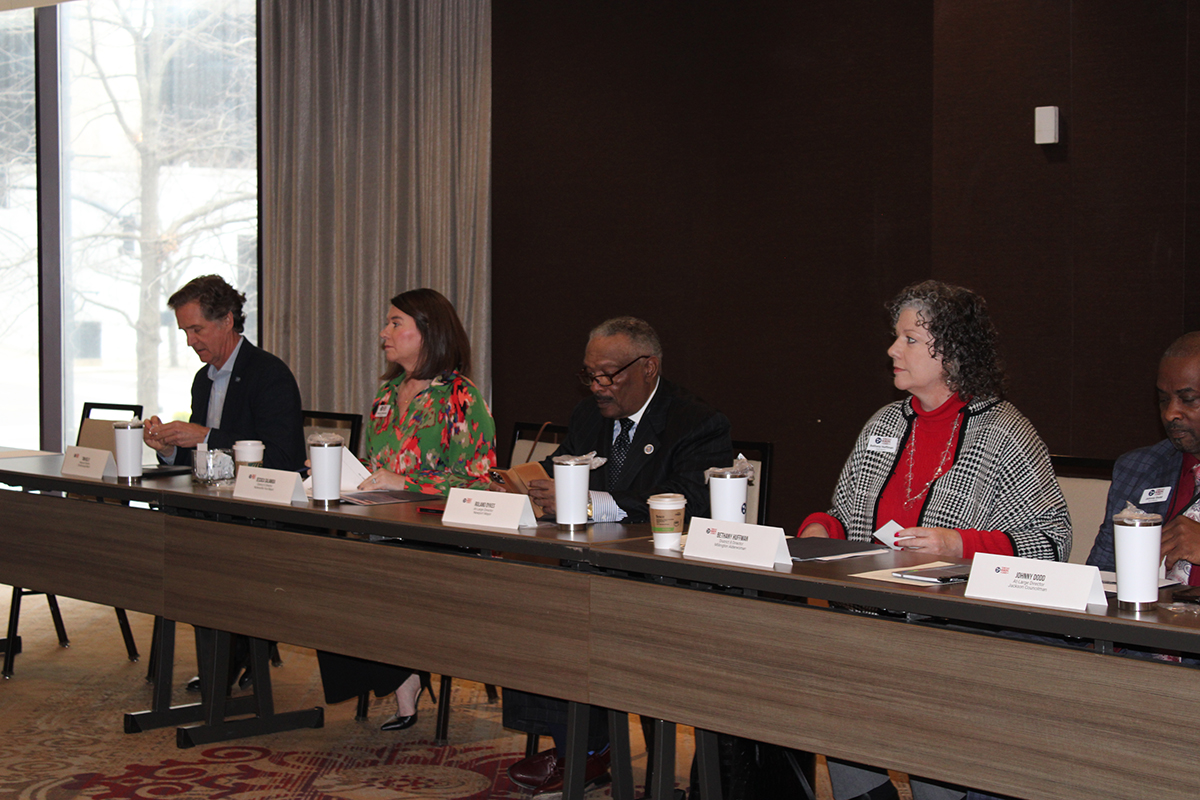
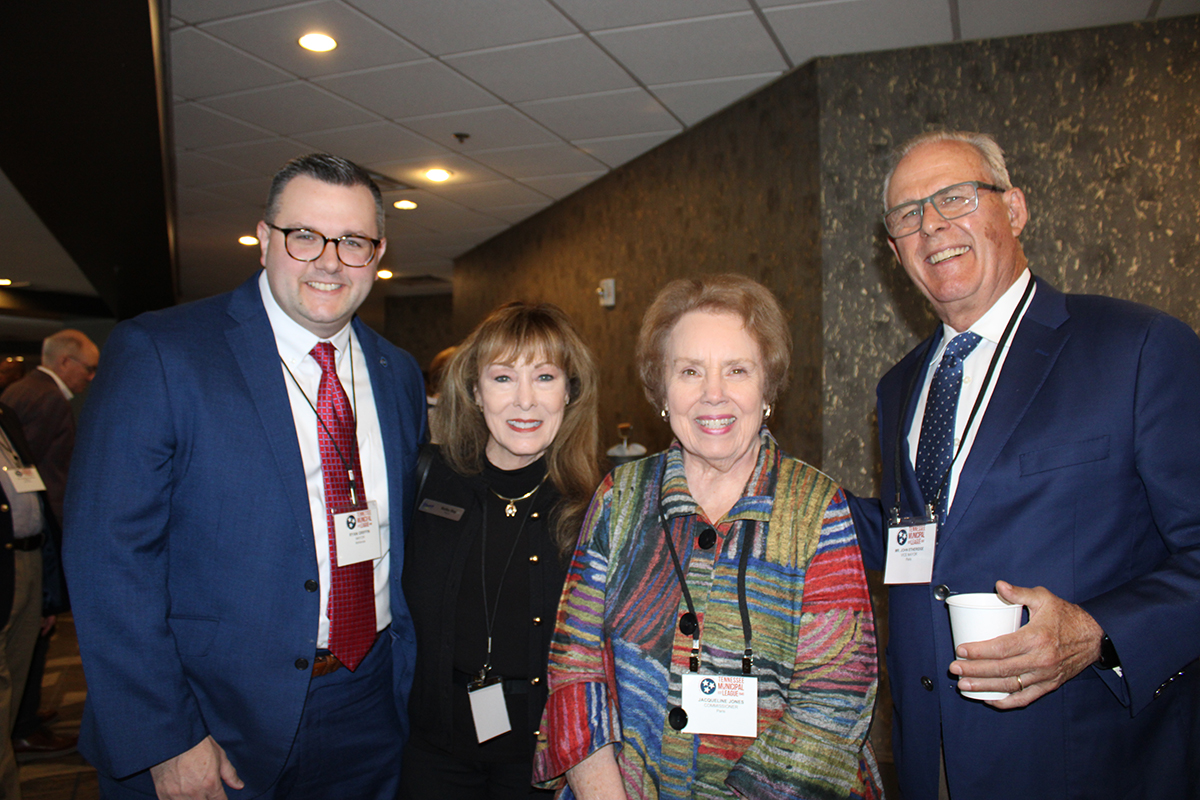
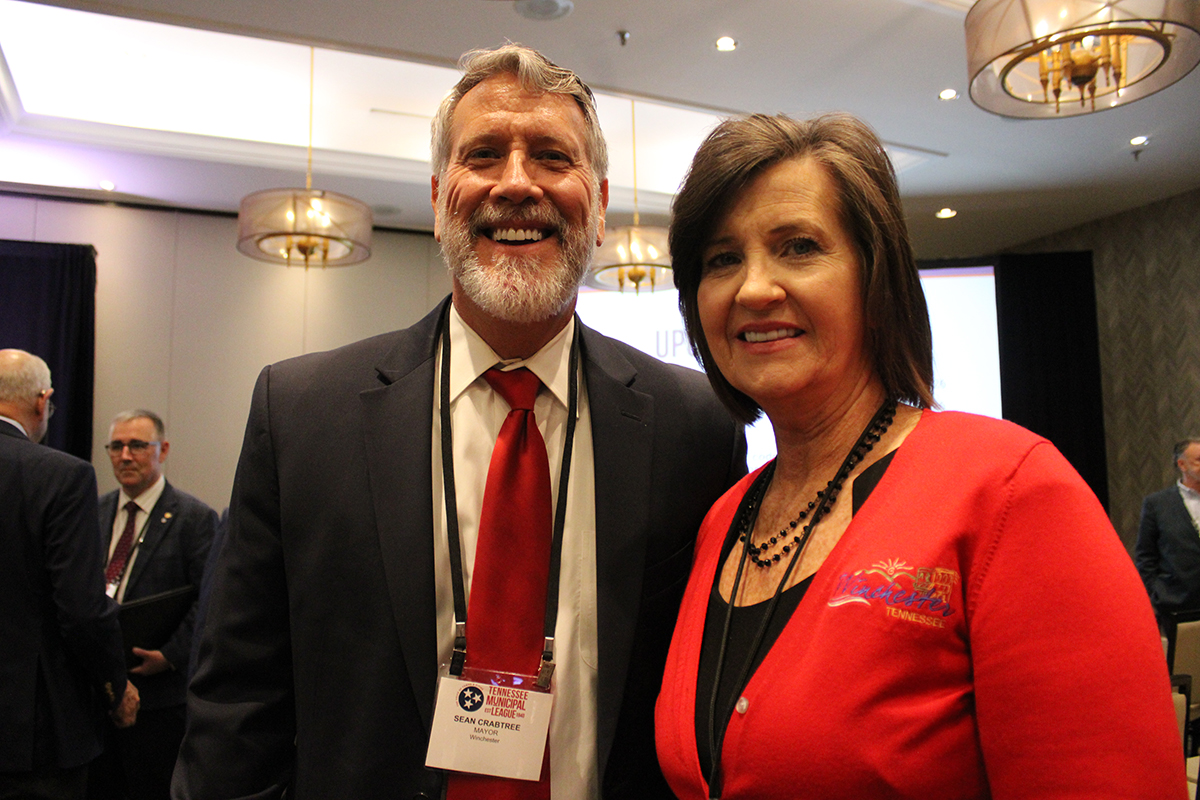
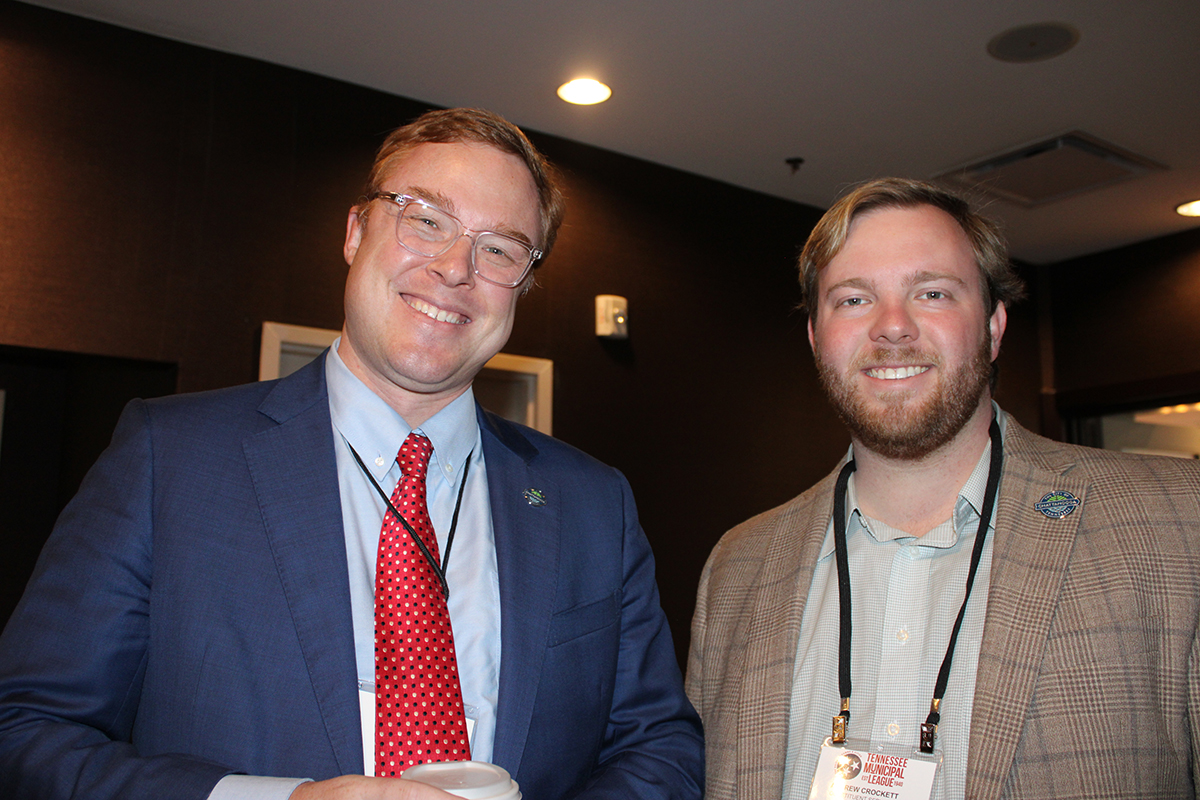
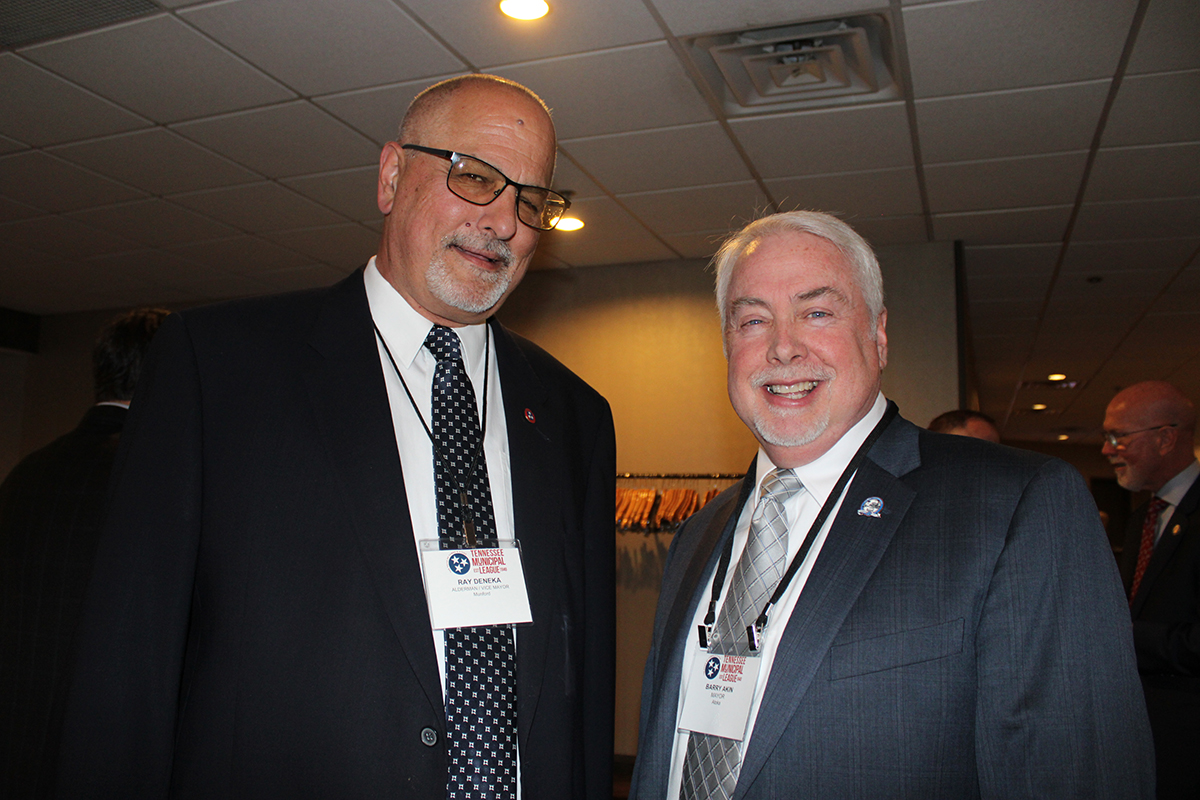
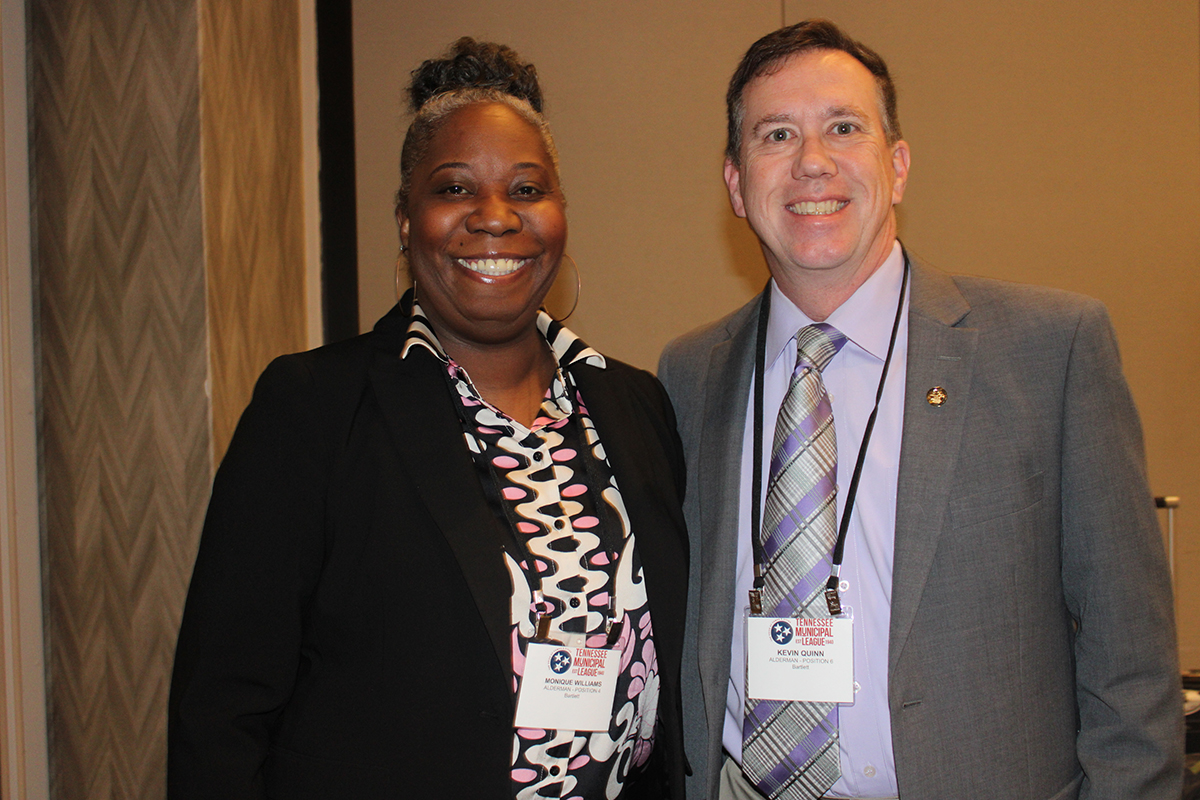
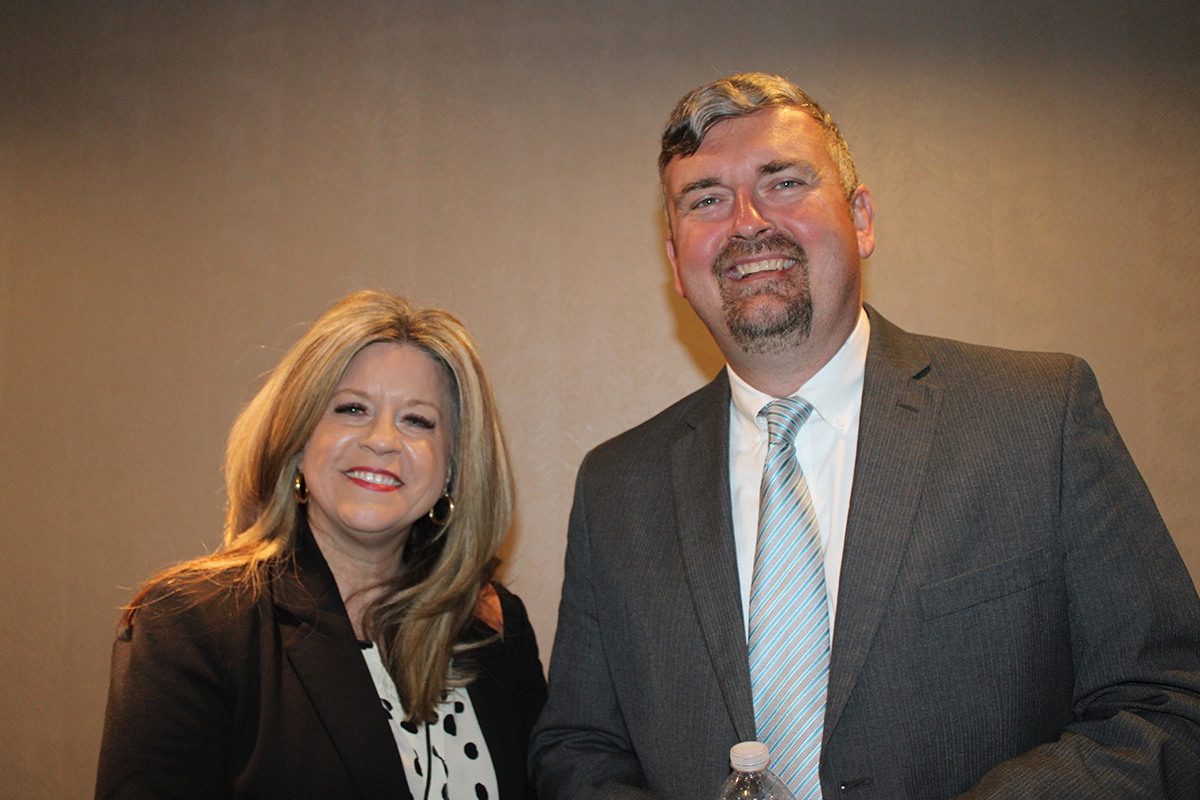
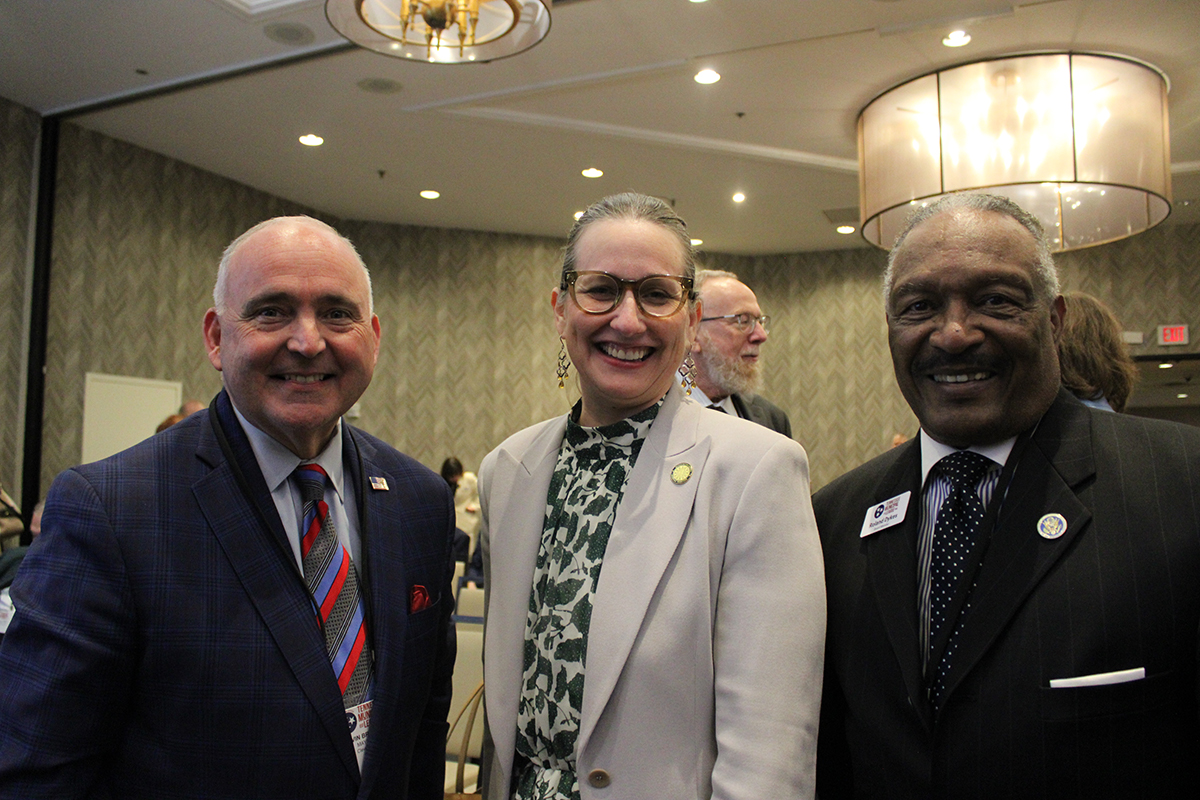
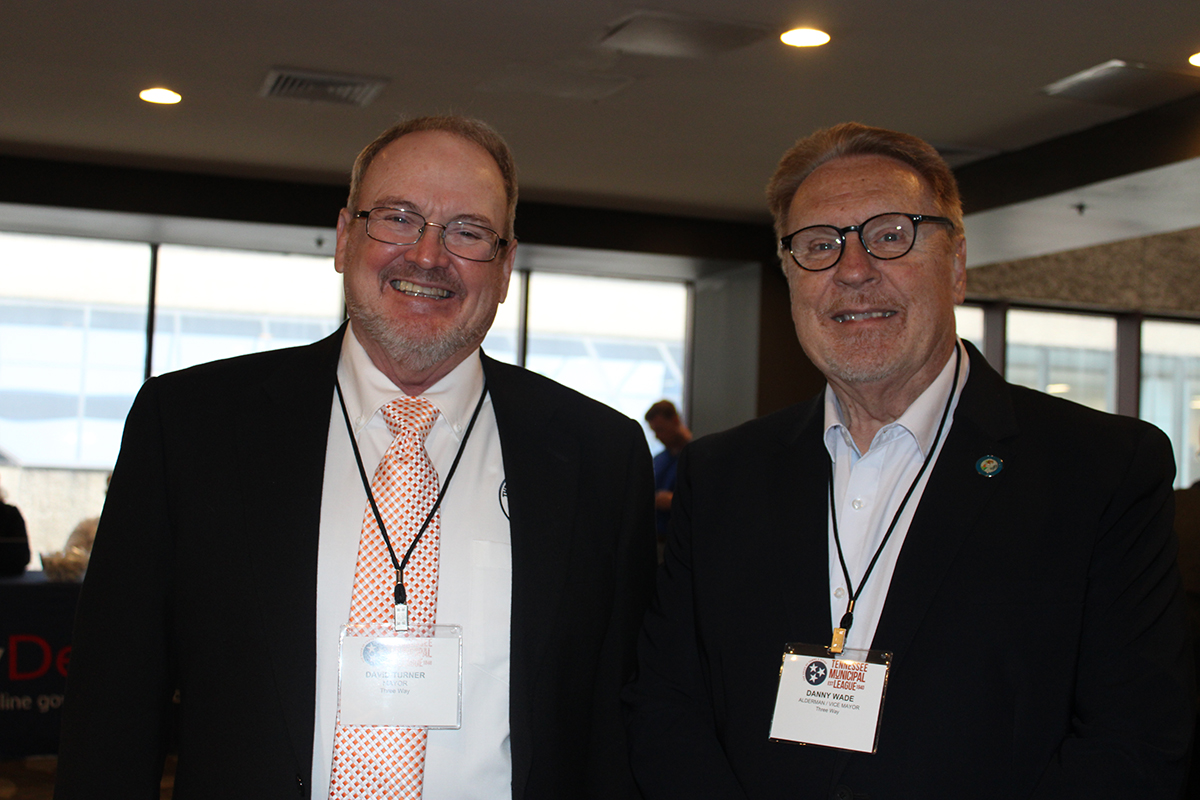
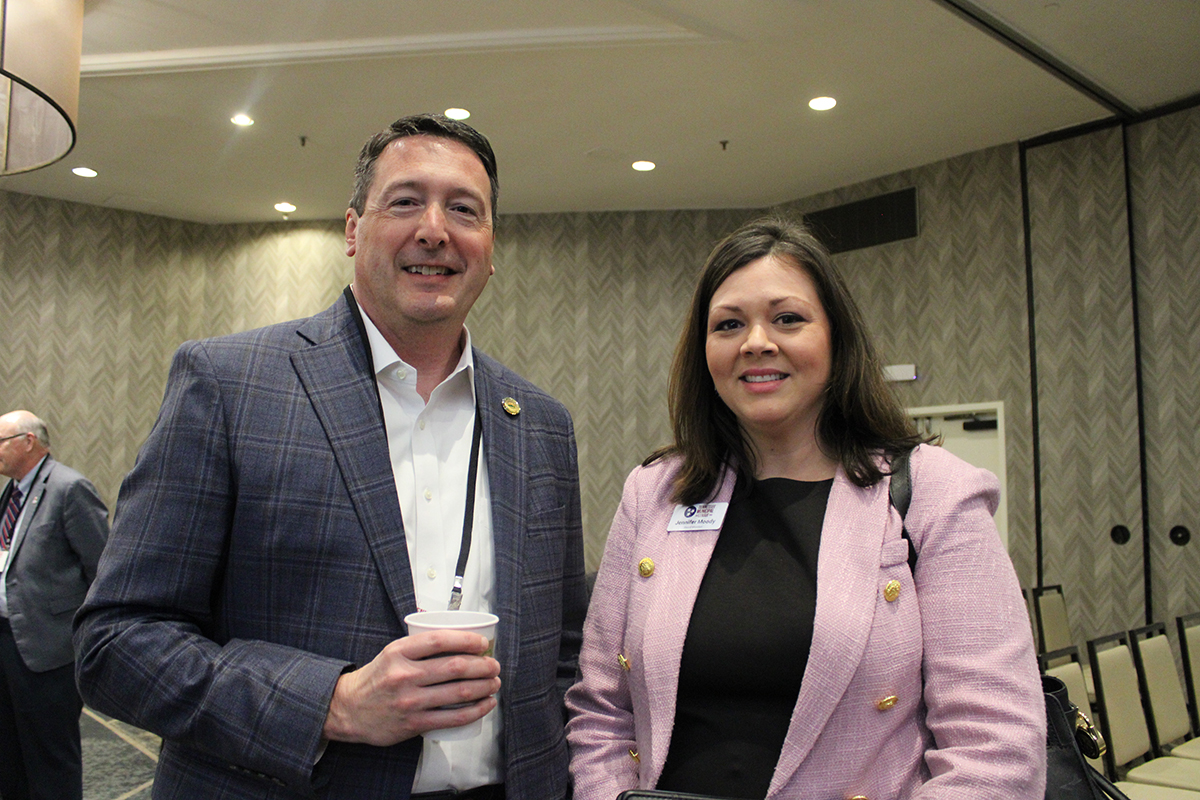
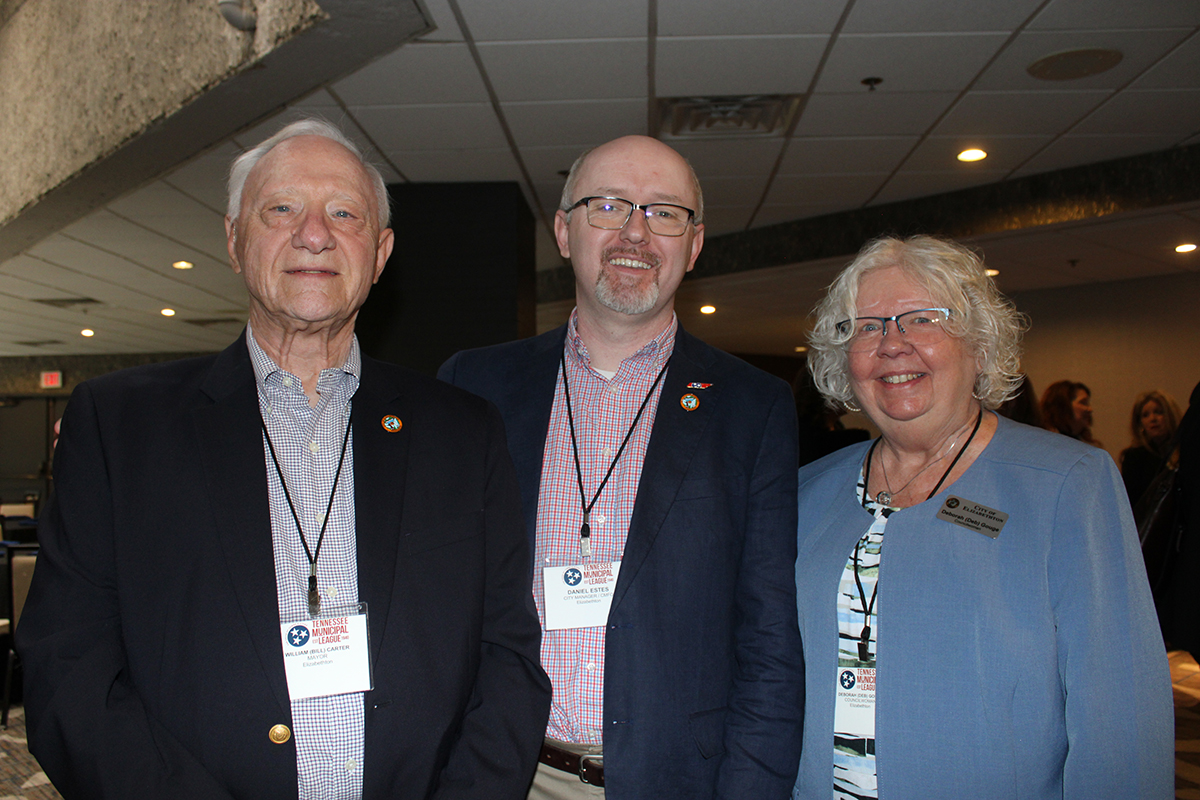
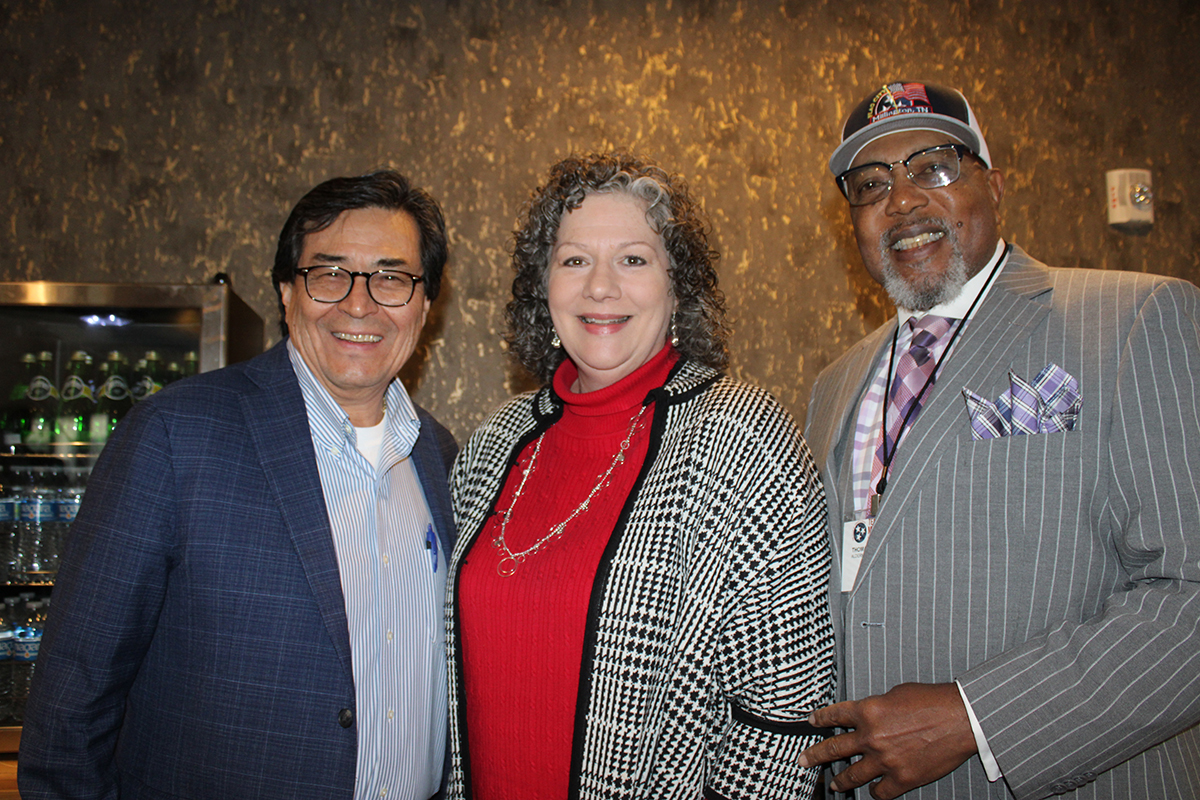
Municipal officials from across Tennessee gathered at the Downtown DoubleTree Hotel in Nashville March 2-3, 2026, to hear from policy experts, meet with legislators, and discuss timely municipal issues.

Nashville Vice Mayor Angie Henderson welcomed municipal leaders to the city, emphasizing the importance of officials from across the state coming together to advocate on behalf of local governments.
Henderson said pre-emption and local control, municipal funding, and regulations being placed on municipal leaders are issues that impact cities regardless of their size.
Comptroller Jason Mumpower provided an overview of how the comptroller’s office works with local municipalities and new data available through the comptroller’s website. Mumpower also highlighted bills his office has moving through the legislature including:
- A bill to require a Aug. 31 deadline for municipal budget adoption (SB 1592(opens in a new tab)/HB 1516(opens in a new tab))
- A bill that would allow the comptroller to approve emergency operation loans for local governments during natural disasters as well as allow local governments to use other revenue sources to repay grant anticipation when grant reimbursement funds are delayed (SB 1679(opens in a new tab)/HB 1672(opens in a new tab)).
Mumpower also invited municipalities to apply for the new Financial Excellence Award from his office, which aims to recognize local governments that have taken the initiative to implement and maintain excellence in budgeting, debt management, financial management, oversight and accountability, and reporting and transparency.

Kent Starwalt, executive vice president of the Tennessee Road Builders Association addressed members on the critical long-term needs the state is facing for its transportation infrastructure and some possible sources of funding to meet those needs.
Starwalt noted that more sustainable funding sources are needed than the gas and diesel fees, vehicle registration fees, sales taxes on tires, EV fees, and the occasional general fund transfers that have been used to fund TDOT.
Gas and diesel tax remains the biggest funding source for the state with nearly 70% of state revenues coming from that source – 40% of which is paid by motorists who don’t live in Tennessee but travel through.
Inflation is the biggest challenge leading to fewer projects being financed, even with recent increases to the gas taxes.

Starwalt said some proposed funding sources to offset increased costs include a variable rate user fee, taxing rideshare services, taxing electric vehicle charging stations, general fund transfers, vehicle registration for all trailers, taxing retail package deliveries, vehicle miles traveled taxes, and road usage charges. Taking out bonds to finance roads has also been considered.
Kevin Hensley, director of public policy with the Tennessee Farm Bureau, spoke about the organization's efforts to support Resolution 2, a proposed constitutional amendment that would ban Tennessee’s state government from collecting a property tax. Hensley clarified that the bill would not prohibit counties or municipalities from enacting property taxes.
Based on a joint resolution(opens in a new tab) passed by the Tennessee General Assembly, the amendment will be up for an initial vote in November 2026.
Tennessee Municipal Bond Fund President and CEO Wade Morrell also moderated a panel discussion on the future of the municipal bond market, featuring State Treasurer David Lillard, FirstBank President and CEO Chris Holmes, and TCRS Director of Fixed Income Markus Klar.
TML Deputy Director Chad Jenkins provided members with an update on the league’s legislative priorities(opens in a new tab) as well as bills to watch. Some of the key issues include:
- a proposed property tax cap (SB 2064/HB 1837(opens in a new tab)),
- residential rental property protection (SB 592/HB 648(opens in a new tab)),
- modernizing public notices (SB 2450/HB 2114(opens in a new tab)), and
- TML’s effort to restore the historic state-shared sales tax relationship (SB 117/HB 909(opens in a new tab)).
 , opens full size image
 , opens full size image
 , opens full size image
 , opens full size image
 , opens full size image
 , opens full size image
 , opens full size image
 , opens full size image
 , opens full size image
 , opens full size image
 , opens full size image
 , opens full size image
 , opens full size image
 , opens full size image
 , opens full size image
 , opens full size image
 , opens full size image
 , opens full size image
 , opens full size image
 , opens full size image
 , opens full size image
 , opens full size image
 , opens full size image
 , opens full size image
 , opens full size image